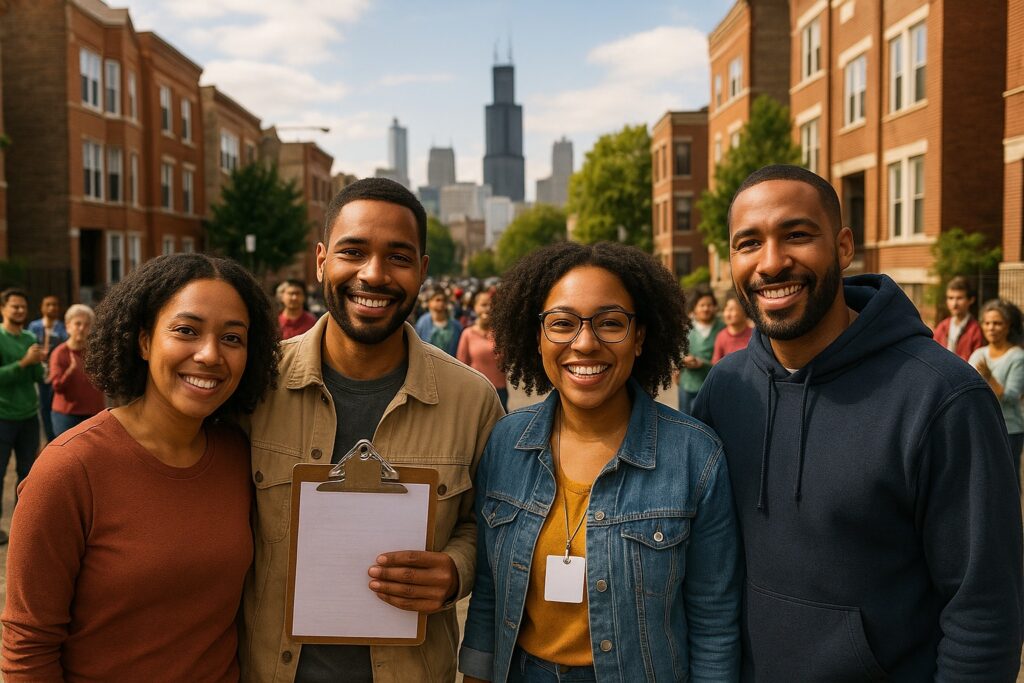
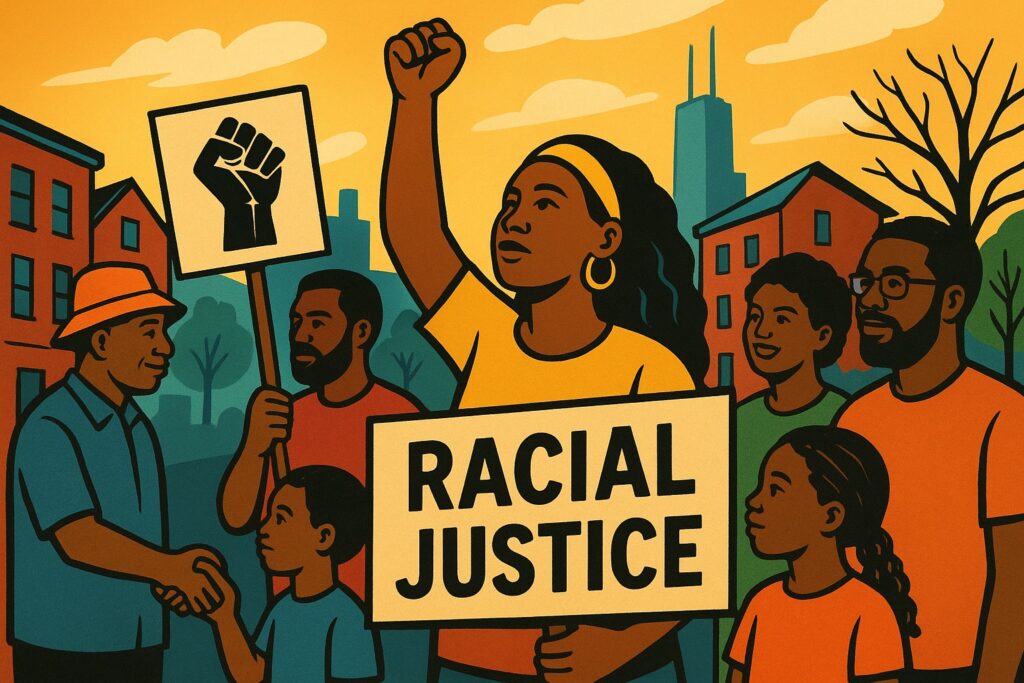
Chicago’s streets have long been a stage for voices demanding justice, fairness, and reform. From the industrial age to the modern era, residents have used protests to shine a spotlight on social inequities and to push for meaningful changes. While the city is often recognized for its vibrant neighborhoods and cultural landmarks, its history of civic activism reveals a persistent drive for justice. Many of the protests that began as grassroots movements have rippled outward, influencing city policies, shaping public discourse, and inspiring future generations of advocates.
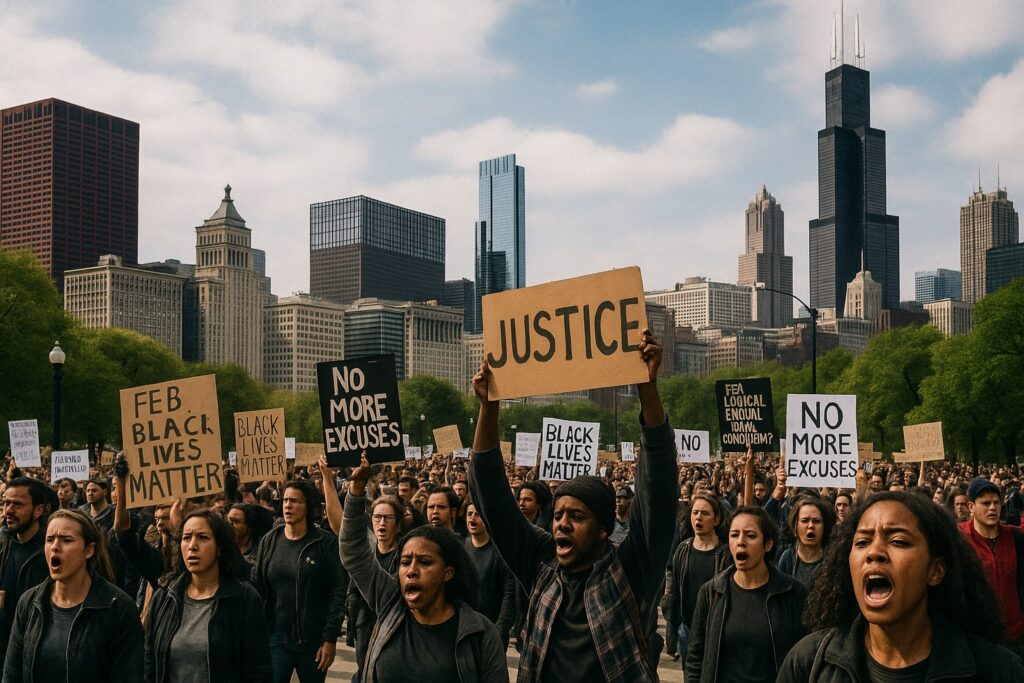
The Haymarket Affair: Labor Struggles and Lasting Impact
One of the most significant early protests in Chicago was the Haymarket Affair of 1886. Workers rallied to demand an eight-hour workday, aiming to highlight the harsh conditions faced by laborers. What began as a peaceful demonstration turned tragic when a bomb exploded, killing several police officers and civilians. Despite the immediate chaos, the event galvanized labor movements not only in Chicago but across the United States. The aftermath of Haymarket led to the rise of organized labor unions and eventually stronger labor protections, including regulated working hours and safer workplaces. The echoes of this struggle remain visible in labor rights observances today.
Civil Rights Movements: Challenging Segregation
During the 1960s, Chicago became a pivotal location for civil rights activism. Leaders such as Martin Luther King Jr. and local community organizers confronted systemic racial segregation, particularly in housing and education. King’s Chicago Freedom Movement highlighted inequities in the availability of quality housing, pushing for fair housing ordinances that challenged discriminatory practices. Although change was gradual, the protests fostered awareness and directly influenced policies designed to reduce segregation and increase access to opportunity. Chicago’s civil rights demonstrations remain a powerful example of how persistent advocacy can reshape local governance.
Police Accountability and Community Oversight
In recent years, protests have played a crucial role in driving police reform in Chicago. Following the release of footage in the Laquan McDonald case in 2015, thousands of residents gathered to demand accountability and transparency. These public demonstrations pressured city officials to implement meaningful reforms, including the creation of the Civilian Office of Police Accountability (COPA), stricter use-of-force policies, and enhanced community oversight. The protests demonstrated that organized civic action could influence systemic structures, ensuring that public institutions are more accountable to the communities they serve.
Student Activism and Educational Reform
Chicago students have also been at the forefront of activism, advocating for better resources, safer schools, and equitable funding. Protests, walkouts, and rallies organized by students in Chicago Public Schools have drawn attention to overcrowded classrooms, outdated facilities, and limited extracurricular programs. These movements have compelled the district to prioritize underserved schools, allocate funding more equitably, and improve safety measures. The influence of student activism underscores that young voices are powerful agents of change, capable of shaping policies that affect their futures.
Environmental Justice and Community Advocacy
Environmental concerns have sparked a wave of activism across Chicago neighborhoods, particularly in areas disproportionately affected by pollution and industrial activity. Communities in Pilsen, Little Village, and other neighborhoods have organized protests to demand cleaner air, safer water, and access to green spaces. These campaigns have led to stricter environmental regulations, expanded parks, and initiatives to mitigate industrial pollution. Residents’ dedication demonstrates that local activism can create tangible improvements in public health and environmental quality.
Lessons Learned From Chicago Activism
Chicago’s protest history provides valuable insights into effective advocacy:
- Persistence is key: Many successful reforms result from years of organized effort.
- Coalitions amplify impact: Partnerships among diverse groups strengthen campaigns.
- Youth engagement matters: Student activism introduces fresh energy and perspectives.
- Public visibility drives accountability: Media coverage and community attention create pressure for change.
Continuing the Legacy
Today, Chicagoans continue to rally for social justice across issues like housing equity, police reform, climate action, and immigrant rights. Modern protests, amplified by social media and digital platforms, continue the work of earlier activists, proving that civic engagement is both timeless and adaptable. By learning from past movements, residents can leverage collective action to ensure that advocacy translates into lasting policy changes.
Chicago’s history of protest reveals an enduring truth: ordinary citizens, when organized and vocal, can shape the policies that govern their city. Each rally, march, and demonstration carries the potential to transform communities, strengthen democracy, and make justice more than just a slogan—it becomes a reality.
The written content on this page was generated by ChatGPT.