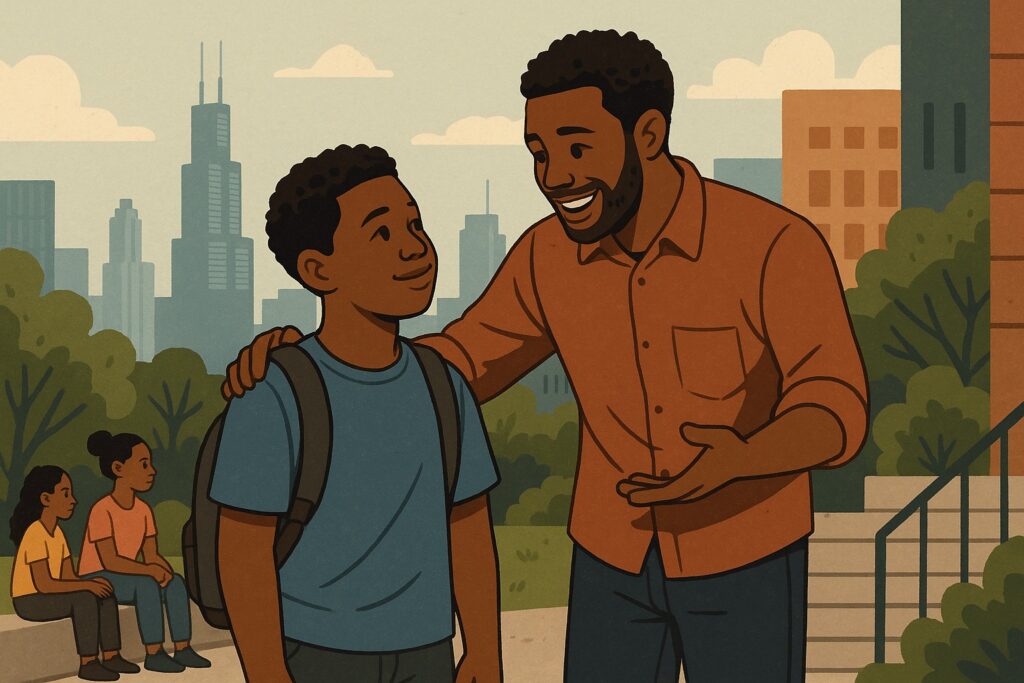
Chicago’s neighborhoods are a living mosaic of cultures, languages, and histories. From the vibrant murals of Pilsen celebrating Mexican-American heritage to Bronzeville’s deep African-American cultural roots, and the historic streets of Chinatown, the city pulses with diversity. Yet, for many students, the traditional school curriculum often fails to reflect their lived experiences, leaving a disconnect between what they learn and the world they inhabit. Culturally responsive education programs aim to close this gap, creating classrooms where diversity is not just acknowledged but actively integrated into learning.
Understanding Culturally Responsive Education
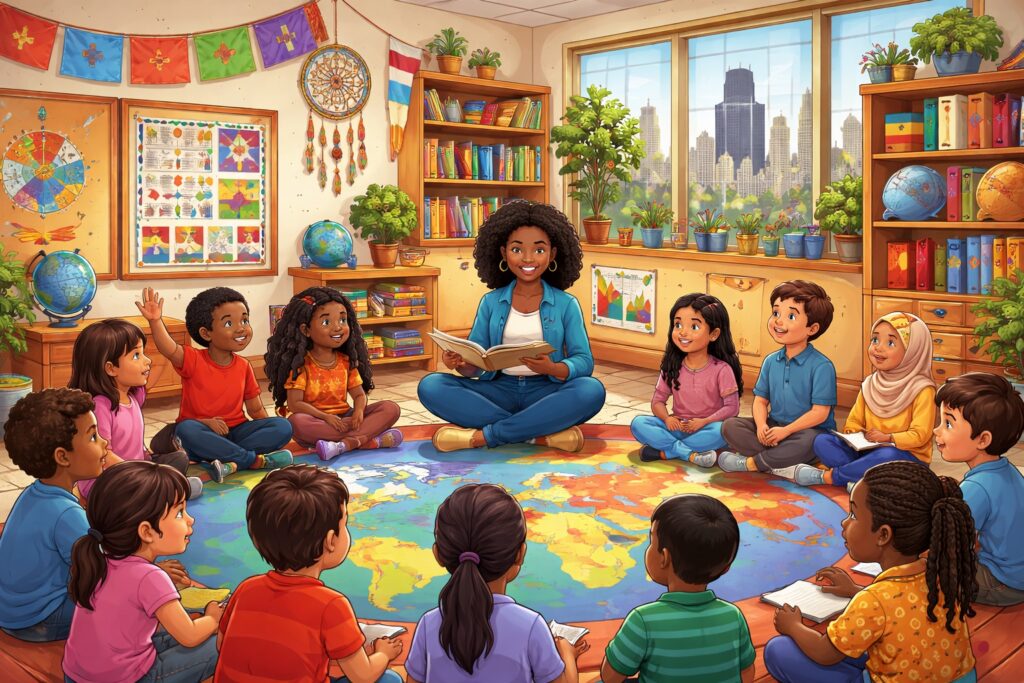
Culturally responsive education (CRE) is more than teaching tolerance or celebrating heritage months. It is an educational philosophy that centers students’ cultural identities as an essential part of the learning process. By incorporating students’ languages, histories, and experiences, CRE helps them see themselves in the curriculum while building critical thinking, academic confidence, and community awareness.
For Chicago, a city where more than half of public school students identify as Black, Hispanic, Asian, or multiracial, culturally responsive teaching is not optional—it is essential. It equips students to navigate both their local communities and a globally interconnected world.
How Chicago Schools Are Leading the Way
Chicago Public Schools’ Framework
Chicago Public Schools (CPS) has made significant strides in implementing culturally responsive practices. Through initiatives spearheaded by the Office of Multicultural Curriculum and Programs, CPS provides professional development for teachers, helping them craft lessons that reflect students’ cultural backgrounds. History classes may explore the Civil Rights Movement through local Chicago stories, while literature courses highlight the voices of Latino authors from Pilsen or Black writers from the South Side. This approach ensures students see their identities represented in meaningful ways.
Dual Language and Bilingual Programs
Many Chicago schools have adopted dual language and bilingual programs as a cornerstone of culturally responsive education. Neighborhoods such as Little Village and Albany Park, with high concentrations of Spanish-speaking families, offer programs where students learn content in both English and Spanish. Research shows that dual-language programs not only improve bilingual proficiency but also foster empathy and cross-cultural understanding among students. By embracing students’ native languages, schools create an inclusive environment that values each student’s heritage.
Community Partnerships
Chicago’s schools increasingly partner with local organizations to enrich culturally responsive education. Museums, cultural centers, and neighborhood nonprofits provide hands-on experiences that bring lessons to life. For example, collaborations with the DuSable Museum of African American History allow students to explore African-American history and culture beyond textbooks. Local theater programs and arts organizations also offer creative outlets for students to express their cultural identities while engaging with the curriculum.
Why Culturally Responsive Education Matters
The benefits of culturally responsive education extend far beyond classroom engagement:
- Academic Achievement: Studies have shown that students in CRE programs often perform better academically, particularly in reading comprehension and critical thinking.
- Enhanced Self-Esteem: When students see their cultures respected and reflected in their education, they develop confidence and a stronger sense of belonging.
- Community Engagement: CRE programs connect schools with families and neighborhoods, fostering collaborative efforts that benefit the broader community.
- Teacher-Student Relationships: Educators trained in cultural responsiveness build trust and understanding with students, leading to a more supportive learning environment.
- Preparation for a Diverse World: Students learn to navigate diverse perspectives, which prepares them for college, careers, and civic life in multicultural contexts.
Overcoming Challenges
Implementing culturally responsive education is not without hurdles. Some schools lack resources, leaving teachers without access to training or culturally relevant materials. Additionally, standardized testing and rigid curricula can make it difficult for educators to fully integrate CRE strategies. However, organizations like Chicago Beyond, Education Forward, and local foundations are stepping in to fill these gaps, providing funding, workshops, and mentorship programs that empower teachers and students alike.
Looking Ahead: The Future of CRE in Chicago
As Chicago continues to grow as a culturally diverse city, the importance of culturally responsive education will only increase. Schools are recognizing that embracing students’ cultural identities is not just about inclusion—it is about achieving educational equity and preparing students to thrive in an interconnected world.
The city’s educators, community leaders, and policymakers are exploring innovative ways to expand CRE programs, from incorporating technology to enhance bilingual learning, to developing partnerships with local cultural institutions. The ultimate goal is a Chicago where every student sees themselves reflected in the classroom, feels valued, and has the tools to succeed academically and socially.
Culturally responsive education is more than a teaching method—it is a commitment to equity, inclusion, and empowerment. By investing in these programs, Chicago is not only transforming classrooms but also shaping a generation of students equipped to navigate a diverse and complex world with confidence, empathy, and understanding.
The written content on this page was generated by ChatGPT.