Chicago Mentorship Programs Supporting Marginalized Youth

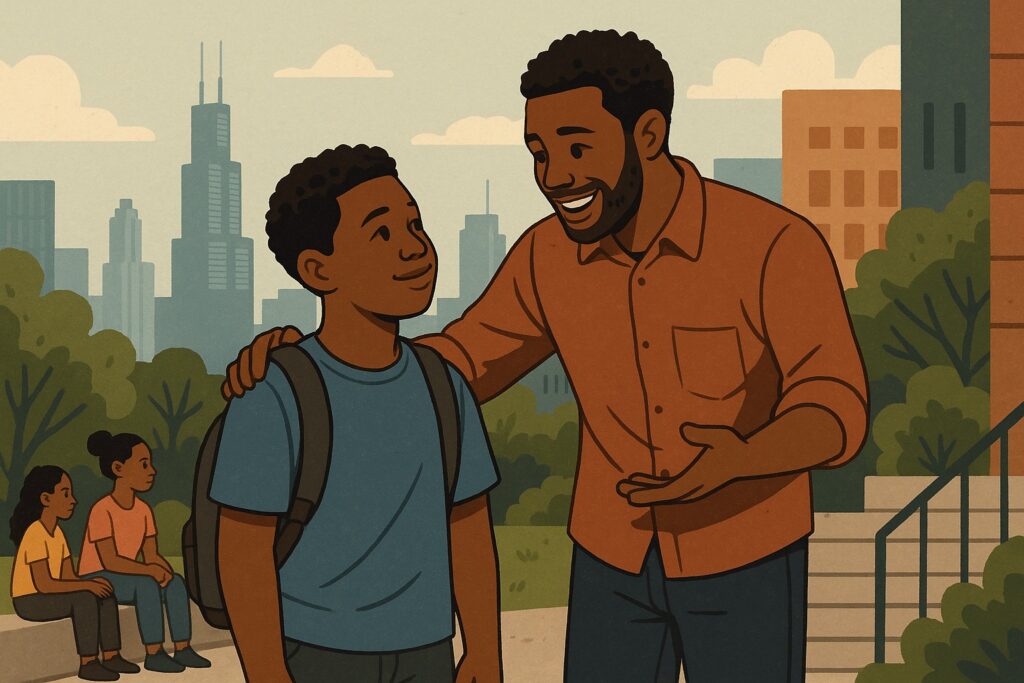
Chicago is a city of vibrant neighborhoods, rich culture, and undeniable resilience. Yet, beneath the skyline and bustling streets lies a reality many young people face: limited access to resources, educational inequities, and social obstacles that can hinder their potential. For marginalized youth, these challenges can feel overwhelming. Fortunately, mentorship programs across the city are providing guidance, support, and opportunities that help young people navigate these hurdles and build brighter futures.

Mentorship goes beyond casual advice — it creates lasting relationships that empower youth to grow academically, socially, and professionally. By connecting with experienced mentors, marginalized youth in Chicago gain access to networks, skills, and encouragement that can profoundly change their trajectories.
Chicago Mentorship Programs Supporting Marginalized Youth

The Importance of Mentorship for Marginalized Youth

Young people growing up in under-resourced neighborhoods often face systemic barriers that limit access to opportunities. Mentorship programs help bridge these gaps by providing consistent support and role models who understand their experiences.

Mentors offer guidance on academic performance, college preparation, career development, and life skills. But perhaps most importantly, they provide emotional support. For many young people, having someone who believes in their potential and offers guidance can be life-changing. Studies show that youth with mentors are more likely to graduate high school, pursue higher education, and engage positively in their communities.


Notable Mentorship Programs in Chicago

Chicago is home to several mentorship programs designed specifically to support marginalized youth. These programs not only offer one-on-one guidance but also create structured environments for learning and growth.

Big Brothers Big Sisters of Metropolitan Chicago

Big Brothers Big Sisters is one of the city’s most established mentorship programs. Pairing children aged 6–18 with adult mentors, the program focuses on building meaningful relationships that foster self-confidence, goal-setting, and resilience. Participants often report improvements in school performance, social skills, and overall well-being.

Chicago Urban League Youth Mentorship Initiatives

The Chicago Urban League offers programs aimed at preparing youth from underserved communities for academic and career success. Through workshops, tutoring, and mentorship, students gain practical skills and exposure to professional opportunities. The program emphasizes long-term personal development and empowerment.

After School Matters

Targeting teens aged 14–21, After School Matters blends mentorship with hands-on learning in arts, STEM, leadership, and sports. Mentors guide participants through projects, helping them develop skills, explore interests, and set achievable goals. The program fosters creativity, critical thinking, and self-confidence.

Youth Guidance’s Becoming A Man (BAM) Program

BAM is designed for young men in Chicago high schools, focusing on social-emotional learning, academic support, and mentorship. Participants work closely with mentors to address challenges like conflict resolution, decision-making, and career readiness. The program emphasizes resilience, responsibility, and leadership.


How Mentorship Programs Tackle Broader Social Challenges

Beyond personal development, mentorship programs address systemic challenges that affect marginalized youth:

  • Educational Gaps: Mentors help students with homework, college applications, and skill-building activities, helping to close achievement gaps.
  • Economic Disparities: Programs provide career exposure, internships, and financial literacy workshops, offering youth tools to succeed economically.
  • Community Safety: Mentorship creates safe spaces and positive networks, reducing youth involvement in risky behaviors.
  • Mental Health Support: Mentors provide emotional guidance, helping youth navigate stress, trauma, and societal pressures.

By addressing these systemic issues, mentorship programs contribute to healthier communities and a more equitable Chicago.


The Role of the Community in Supporting Mentorship

Effective mentorship relies on strong community support. Schools, nonprofits, local businesses, and city agencies all play a role in sustaining programs and expanding their reach. Volunteer mentors, financial sponsors, and civic leaders are crucial in creating networks that ensure youth have access to opportunities.

Neighborhood engagement is also vital. Communities that celebrate mentorship through events, workshops, and showcases create a culture that values youth development. These efforts encourage participation, build trust, and strengthen connections between youth and their mentors.


How to Get Involved

Chicago residents who want to make a difference in young lives can contribute in several ways:

  • Mentoring: Offer your time and experience to guide a young person.
  • Volunteering: Support program activities, events, and workshops.
  • Donating: Financial support helps sustain programs and provide critical resources.
  • Partnerships: Businesses and organizations can create internships, job shadowing opportunities, and skill-building workshops for youth.

Even small acts of involvement can have meaningful impacts, helping youth gain confidence, skills, and access to opportunities that might otherwise be out of reach.


Success Stories: Proof of Impact

The impact of mentorship programs is evident in the successes of Chicago youth. Students who participate in these programs are graduating, pursuing higher education, and building careers. Some even return as mentors themselves, continuing the cycle of guidance and support. These stories demonstrate that mentorship not only transforms individual lives but also strengthens entire communities.

source: CBS Chicago

Conclusion

Mentorship programs in Chicago are a vital force for change, helping marginalized youth overcome barriers and realize their potential. By offering guidance, support, and access to opportunities, these programs foster resilience, confidence, and long-term success.

As Chicago continues to address systemic inequities, mentorship remains a cornerstone of social justice. Whether through volunteering, donating, or advocating, community members can play an essential role in shaping the next generation of leaders who will help build a stronger, more equitable city.

The written content on this page was generated by ChatGPT.
Faith-Based Organizations Driving Social Change in Chicago

When people think about social justice in Chicago, images of marches, grassroots organizers, and community meetings often come to mind. What’s less visible—yet deeply influential—is the network of faith-based organizations quietly shaping the city’s path toward equity. Across neighborhoods, spiritual leaders and their congregations are addressing challenges that government programs and nonprofits alone cannot fully resolve. Their involvement in social change is not just about offering charity but about building long-term, sustainable solutions rooted in compassion and moral conviction.

Faith-Based Organizations Driving Social Change in Chicago

Faith Communities as Anchors of Justice

Faith and justice have long been intertwined in Chicago’s history. During the Civil Rights movement, churches on the South and West Sides became command centers for organizing, where activists planned marches and trained volunteers. These weren’t simply houses of worship; they were hubs of resistance and hope.

That tradition has endured. Today, congregations, mosques, synagogues, and temples are still addressing issues such as housing insecurity, hunger, and racial discrimination. They stand as anchors in their neighborhoods, offering not just sermons but hands-on leadership in tackling some of Chicago’s most pressing problems.


Tackling Poverty With Practical Solutions

Many Chicago families face ongoing struggles with poverty. While food pantries provide immediate relief, faith-based organizations are expanding their reach by focusing on longer-term stability. Some have developed workforce readiness programs, teaching skills like digital literacy or trade certifications. Others are involved in affordable housing initiatives, purchasing or renovating properties to ensure families have safe, stable places to live.

In several cases, these groups partner with local businesses and financial institutions, creating opportunities for economic mobility. It’s not just about offering aid—it’s about restoring dignity by helping people chart a path out of hardship. Small community-driven companies, from tradespeople to providers of lock and key services, often play a role in strengthening neighborhoods by keeping families and properties secure.


Welcoming and Supporting Immigrant Communities

Chicago is home to a significant immigrant population, and faith communities have been among the first to step in with support. For newly arrived families, navigating language barriers and legal systems can be overwhelming. Churches and mosques often serve as safe spaces where people find translation services, legal clinics, and guidance on everything from school enrollment to healthcare access.

Beyond services, some congregations have committed themselves to sanctuary work, offering shelter and advocacy for undocumented individuals facing deportation. These efforts reflect a belief that protecting vulnerable communities is not just a civic duty but also a moral one.


Confronting Racial Inequities Head-On

Systemic racism continues to shape life in Chicago, whether through unequal education funding, housing segregation, or disparities in policing. Faith-based coalitions have stepped forward to confront these issues. Leaders from diverse religious traditions regularly come together to call for reforms that center justice and accountability.

Vigils, interfaith dialogues, and public demonstrations led by clergy members provide a moral framework for change. By placing human dignity at the core of their advocacy, these groups keep racial justice visible in both local politics and community conversations.


Addressing Health and Mental Wellness Gaps

Access to healthcare remains uneven across Chicago’s neighborhoods. In response, many faith-affiliated clinics and health ministries have emerged, offering affordable medical care where larger institutions have pulled back. These clinics often extend beyond physical health, with counseling and trauma recovery programs tailored to community needs.

Mental health support is particularly important. In places where stigma might otherwise prevent people from seeking care, trusted spiritual leaders often bridge the gap, encouraging openness and connecting residents with licensed professionals. This blending of faith and healthcare creates an environment where healing feels both accessible and culturally sensitive.


Interfaith Collaboration as a Model for Unity

One of the most remarkable aspects of social justice work in Chicago is the collaboration across religious lines. Interfaith councils and coalitions have organized around issues like environmental justice, affordable housing, and gun violence prevention. These partnerships show that while theological beliefs may differ, the values of compassion, fairness, and community uplift can bring people together in powerful ways.

This spirit of cooperation not only strengthens advocacy efforts but also fosters greater understanding between communities that might not otherwise interact. In a city as diverse as Chicago, these bridges matter.


Looking Ahead: Faith as a Force for Change

Faith-based organizations do not replace the role of city government, nor do they operate as isolated charities. Instead, they fill crucial gaps, amplifying the voices of residents who might otherwise go unheard. Their ability to combine spiritual conviction with practical programs allows them to respond to both immediate crises and long-term injustices.

As Chicago continues to grapple with challenges like affordable housing shortages, income inequality, and racial disparities, these organizations will remain key players in shaping a more equitable city. Their work reminds us that justice is not simply a policy goal—it is a shared responsibility rooted in empathy and community solidarity.


Closing Reflection

To understand the full story of social justice in Chicago, one must look beyond city hall and community boards to the sanctuaries, fellowship halls, and prayer spaces where much of the groundwork is being laid. Faith-based organizations are not just spiritual centers; they are engines of social transformation. By combining moral vision with tangible action, they prove that change is possible when compassion guides collective effort.

The written content on this page was generated by ChatGPT.
The Role of Chicago Youth in Shaping Social Justice Movements

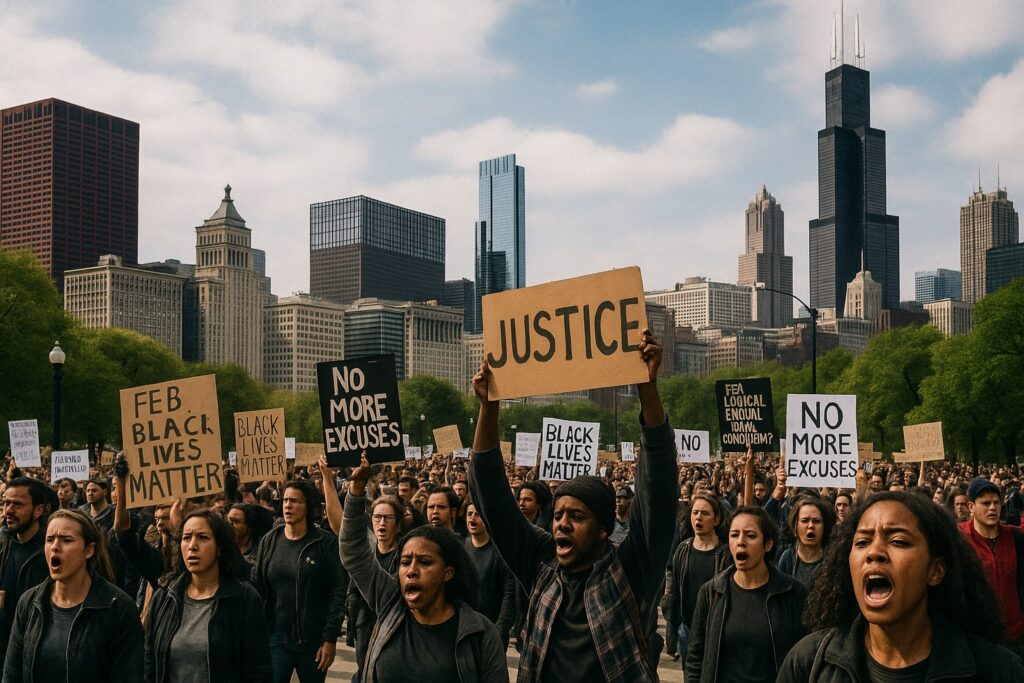
On any given weekend in Chicago, it’s not unusual to see groups of young people filling the streets with signs, chants, and determination. What might surprise some is how central these youth voices have become to the city’s larger fight for justice. They are no longer just participants on the sidelines; they are organizers, strategists, and community builders. Their activism isn’t an occasional act — it’s an ongoing commitment that reflects both frustration with the present and hope for a better future.

The rise of youth-led social justice movements in Chicago isn’t happening in isolation. It’s part of a longer story of activism that has always placed young people at the center, though the methods and platforms have evolved. Today’s generation is redefining what civic engagement looks like, blending traditional protest with new forms of digital organizing, art, and peer-led education.

The Role of Chicago Youth in Shaping Social Justice Movements

A Deep History of Youth Resistance in Chicago

To understand the role young Chicagoans play now, it helps to remember that youth activism has shaped the city before. In the mid-20th century, high school and college students were crucial to the civil rights and anti-war movements. Many joined marches for fair housing or participated in sit-ins demanding desegregation of public spaces. Later, students pushed for ethnic studies in schools, insisting that Chicago’s diverse cultural history be properly recognized in classrooms.

What stands out is not just their presence but their persistence. Even when national attention shifted elsewhere, Chicago youth stayed active at the neighborhood level, ensuring their communities weren’t left out of broader reforms. This long tradition of young leadership continues to inspire today’s organizers, who often see themselves as carrying forward a legacy rather than starting from scratch.


What Today’s Young Activists Are Doing Differently

Using Schools as Platforms for Protest

High school and college campuses have become staging grounds for activism. Walkouts, teach-ins, and student-led demonstrations highlight how deeply social issues cut into the daily lives of young people. Whether it’s demanding safer classrooms, more equitable funding, or attention to climate change, these actions prove that schools are not only places of learning but also centers of civic life.

Social Media as the New Megaphone

Unlike previous generations, today’s youth have tools that allow their voices to spread instantly. Instagram, TikTok, and Twitter aren’t just entertainment — they are digital town halls. A single post can mobilize hundreds within hours. In Chicago, youth-led groups such as GoodKids MadCity have used these platforms to call attention to gun violence, connect with peers, and organize rallies that reach beyond neighborhood boundaries.

Building Their Own Leadership Structures

Young activists aren’t waiting for established organizations to hand them positions of power. They are forming their own collectives, art projects, and mutual aid networks. These initiatives often blur the line between activism and community care, proving that leadership doesn’t always look like standing at a podium — sometimes it looks like coordinating food distribution, hosting healing spaces, or creating murals that tell untold stories.


The Issues Fueling Youth-Led Movements

The passion that drives young people to organize isn’t abstract; it’s rooted in lived realities:

  • Gun violence and public safety remain top concerns, as many young Chicagoans have lost friends, classmates, and relatives to shootings.
  • Education equity motivates students to push for schools with fair resources, updated facilities, and culturally relevant curriculum.
  • Climate justice resonates strongly, as youth see pollution and environmental degradation hitting low-income neighborhoods the hardest.
  • Racial justice and policing continue to spark activism, with young people at the forefront of demonstrations demanding accountability and systemic reform.

For youth, these aren’t policy talking points — they’re urgent, daily struggles. That’s why their activism often feels raw, urgent, and impossible to ignore.


Bridging Generations in the Fight for Justice

At times, youth activism is viewed as disruptive or overly idealistic. Yet many community organizations are learning to embrace it as vital to long-term change. Collaborations between youth-led groups and established nonprofits are becoming more common, creating spaces where experience meets innovation.

Older activists bring historical perspective and knowledge of navigating political systems. Younger leaders bring fresh strategies, cultural relevance, and the ability to reach peers in ways traditional advocacy sometimes cannot. Together, these partnerships can amplify campaigns around housing, education, and policing, giving them broader reach and stronger staying power.

Together, these partnerships can amplify campaigns around housing, education, and policing, giving them broader reach and stronger staying power. Community safety is also part of this work, with everyday needs — from neighborhood watch programs to reliable locksmith services in Chicago — supporting residents as they build stronger, safer communities.


The Future Being Built by Chicago’s Youth

Looking at the past decade, it’s clear that young people are not content to wait for permission to lead. They are already shaping Chicago’s social justice landscape in ways that will echo for years. Their activism is about more than protest — it’s about reimagining what community looks like. Art, music, mutual aid, and digital organizing all serve as building blocks for a new kind of civic culture.

For many youth, activism is tied directly to survival and identity. But it is also about vision — about imagining a Chicago where safety doesn’t depend on policing alone, where schools reflect the communities they serve, and where opportunity is not limited by zip code.

source: NBC News

Youth as Today’s Leaders, Not Tomorrow’s

The common phrase “youth are the leaders of tomorrow” doesn’t capture the reality of Chicago’s movements. They are already leaders. Their organizing, creativity, and persistence remind us that meaningful change is not only possible but inevitable when young people refuse to remain silent.

Chicago’s history has always been marked by grassroots struggles that began with ordinary people taking extraordinary risks. Today, its young activists carry that torch forward. They show us that the fight for justice is not something to inherit passively—it is something to create, boldly, in the present moment. Their efforts also inspire greater civic engagement, encouraging residents, organizations, and every local business to play an active role in building stronger, more equitable communities.

The written content on this page was generated by ChatGPT.

Chicago Community Organizers Making a Difference

Walk through any Chicago neighborhood and you’ll likely encounter the fingerprints of community organizers at work. Whether it’s a mural painted with local youth, a tenant union flyer posted on a storefront, or a rally outside City Hall, the city’s long tradition of activism continues to thrive. Chicago is no stranger to social movements, but what makes today’s grassroots efforts stand out is the way they combine deep neighborhood connections with modern strategies for lasting change.

Chicago Community Organizers Making a Difference

Why Organizers Matter in Chicago

Large institutions often dominate headlines, yet it’s everyday residents—teachers, youth mentors, faith leaders, parents—who quietly reshape their communities. These organizers carry the weight of building trust, listening carefully to neighbors, and translating personal stories into collective action. They’re not only pushing for reform; they’re proving that solutions designed with community input are far more sustainable than those imposed from the top down.

Unlike traditional politics, where decisions are handed down from a distance, community organizing in Chicago begins face-to-face. A conversation on a front porch or a meeting in a church basement often plants the seeds for campaigns that later influence citywide policy. That ability to start small and grow strong is what has allowed Chicago’s activist culture to remain so enduring.

Housing and Economic Justice Efforts

Few issues define life in Chicago more than the struggle for affordable housing. With rents rising and neighborhoods facing rapid gentrification, many residents feel squeezed out of the places their families have called home for generations. Organizers with tenant unions and networks like the Chicago Housing Justice League have stepped in, advocating for eviction protections, affordable housing mandates, and city policies that prioritize residents over developers.

For many homeowners, investing in small improvements—such as keeping their garage doors secure and well-maintained—not only helps preserve the value of their homes but also provides a greater sense of stability in the neighborhood.

Their work doesn’t stop at housing. Economic justice campaigns are gaining momentum, focusing on fair wages, job creation, and community investment. Instead of fighting solely against displacement, organizers are reframing the conversation toward empowerment: how can development bring opportunity without erasing the people who built these neighborhoods in the first place? That shift is helping communities claim ownership of their future. For many homeowners, even small improvements—like maintaining secure and functional garage doors—are part of ensuring stability and preserving the value of their homes.

Young Voices at the Center of Change

Chicago’s youth have always played a role in the city’s activist history, but recent years have brought their leadership to the forefront. Groups such as Voices of Youth in Chicago Education (VOYCE) illustrate how students are pushing for more equitable school funding, safer environments, and opportunities that extend beyond the classroom.

Organizers who work alongside these students aren’t simply guiding them—they’re amplifying them. The idea is to give young people the platform and tools to demand accountability from institutions that affect their lives daily. After-school mentorship programs, grassroots arts initiatives, and youth-led advocacy campaigns are ensuring that the next generation doesn’t just inherit the city, but actively shapes it.

Organizing for Justice and Safety

The call for police accountability and criminal justice reform has been especially powerful in Chicago, a city often in the national spotlight on these issues. Local organizers have been instrumental in shifting the conversation from punishment toward prevention and restoration. Groups like GoodKids MadCity and the Chicago Community Bond Fund have fought for bail reform, pushed for alternatives to incarceration, and created spaces for restorative justice.

Their message is clear: true safety comes from investment in communities, not just heavier enforcement. By advocating for mental health resources, conflict resolution programs, and youth engagement, these organizers are redefining what security looks like for Chicago neighborhoods.

Environmental and Health Equity Organizing

Less visible but equally urgent are the fights for environmental and health equity. For decades, residents in areas like Southeast Chicago and Little Village have dealt with industrial pollution and environmental neglect. Community organizers have brought attention to these injustices, leading campaigns that hold polluters accountable while demanding cleaner air and safer neighborhoods.

Public health concerns intersect with these issues as well. Access to fresh food, quality healthcare, and safe recreational spaces is still uneven across the city. Organizers combat food deserts through urban farming projects and work with nonprofits to expand healthcare services where they are needed most. Their advocacy highlights a truth often overlooked: social justice is incomplete without environmental and health equity.

Unsung Heroes of Everyday Change

It’s easy to think of organizing as protests and press conferences, but many victories start in quieter moments. A grandmother who builds a neighborhood block club, a coach who steers teens away from violence, or a pastor who keeps church doors open for late-night community meetings—these individuals may never make headlines, but their influence is felt every day.

Chicago’s social fabric is strengthened by these everyday heroes. They remind us that activism is not always dramatic; sometimes it’s the steady, unseen commitment to one’s neighbors that sparks the most meaningful change.

source: SoundThinking

The Broader Impact of Organizing

Each campaign, whether it succeeds immediately or not, teaches communities how to organize, advocate, and persist. The ripple effect is undeniable. Neighborhoods that once felt voiceless begin to realize the power they hold collectively. Young people raised in environments where advocacy is normal are more likely to stay engaged as adults. And policies shaped by grassroots input tend to last longer because they reflect real community needs.

Chicago’s community organizers embody resilience and persistence. Their victories, big or small, point toward a city that refuses to settle for inequality as the status quo. In doing so, they provide not just hope, but a blueprint for how collective action can transform urban life.

The written content on this page was generated by ChatGPT.

10 Practical Ways to Get Involved in Chicago’s Grassroots Movements

In Chicago, activism isn’t just something that happens in the headlines—it’s woven into the city’s history, culture, and identity. From neighborhood block clubs to citywide coalitions, grassroots organizing has shaped how communities respond to inequality, advocate for fair policies, and build lasting social change.

Many people want to get involved but feel uncertain about where to start. The truth is, joining a grassroots movement in Chicago doesn’t require a political science degree, years of activism experience, or even a large budget. What it does require is curiosity, willingness to listen, and a commitment to showing up in ways that matter.

Below are ten practical, meaningful approaches to plug into the heart of Chicago’s grassroots efforts—each one adaptable to your skills, schedule, and comfort level.

10 Practical Ways to Get Involved in Chicago’s Grassroots Movements

1. Connect with a Community-Based Organization

One of the most direct ways to get involved is by joining a local group already doing the work. Grassroots organizations often form in response to specific issues: protecting affordable housing, addressing environmental hazards, improving public safety, or defending civil rights.

Look into groups like Pilsen Alliance, which focuses on housing and community development, or Chicago Coalition for the Homeless, which advocates for policy change while offering direct support. Attend an open meeting, introduce yourself to organizers, and ask how you can contribute—whether that means staffing events, knocking on doors, or helping with research.


2. Volunteer Your Expertise

You don’t have to be on the front lines to make an impact. Many grassroots groups need behind-the-scenes help: creating flyers, updating websites, handling data entry, or managing social media. If you have a background in design, communications, law, translation, or even accounting, your skills can fill an essential gap in a group’s operations. For example, supporting your community through reliable home security solutions helps ensure neighbors have safe, secure homes while you contribute your expertise.

This type of involvement not only supports the movement but also allows you to participate consistently without overextending yourself.


3. Show Up at Neighborhood Meetings

A lot of change starts with conversations that happen in church basements, school auditoriums, and community centers. Local neighborhood association meetings and ward council sessions are where residents share concerns and discuss solutions.

Even if you’re new, simply attending shows that you care about your community’s future. Over time, you’ll become more comfortable speaking up, proposing ideas, and connecting with other residents who share your priorities.


4. Support Fundraising Efforts

Grassroots movements often operate with very limited financial resources. Fundraisers—whether a community dinner, an art show, or an online campaign—are vital for covering everything from printing materials to paying for meeting spaces.

By attending and contributing, you’re not only helping keep the lights on but also meeting people face-to-face, building trust, and forming connections that go beyond a single event.


5. Join Demonstrations and Public Actions

Chicago has a rich tradition of marches, rallies, and public vigils—forms of collective action that have historically moved issues into the public eye. Participating in a demonstration can be powerful, but it’s important to approach it thoughtfully: know the cause, understand the message, and follow any guidelines shared by organizers.

Locations like Daley Plaza and Federal Plaza are common gathering points for peaceful protests on issues ranging from climate justice to workers’ rights.


6. Advocate Through Social Media

Digital spaces are an extension of today’s organizing landscape. By following local advocacy pages, sharing verified information, and amplifying calls to action, you can help grassroots messages reach a much wider audience.

Online advocacy works best when it’s consistent, fact-based, and paired with offline action. Sharing a petition is great—showing up to deliver it is even better.


7. Contribute to Mutual Aid Networks

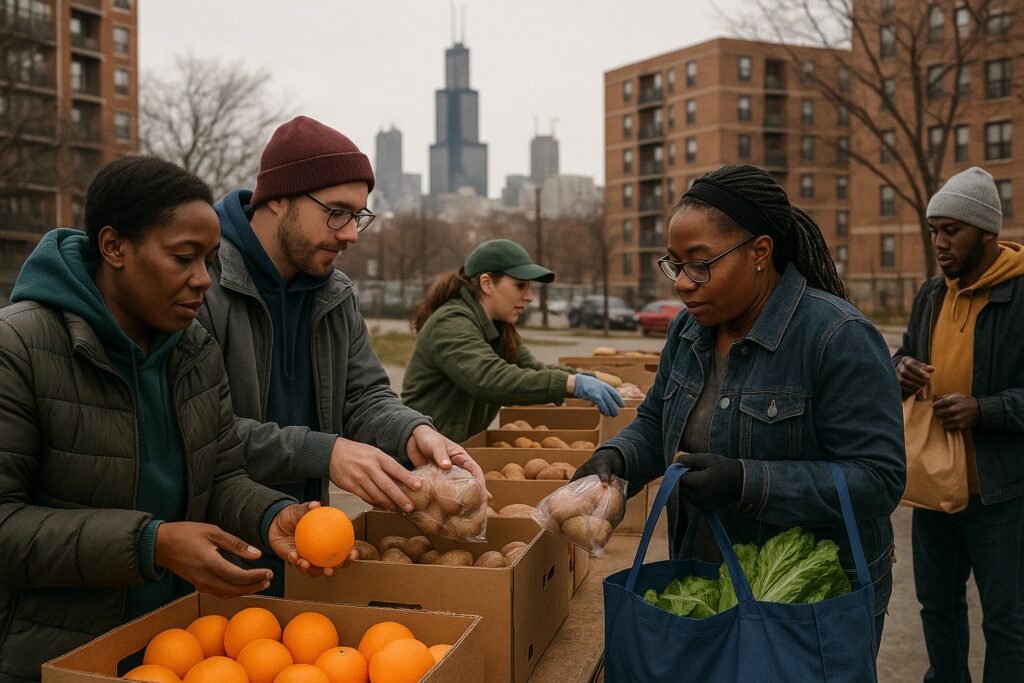
Mutual aid is the idea that communities can meet each other’s needs directly, without waiting for official institutions to step in. Chicago has many such networks, from food distribution collectives to winter coat drives.

Groups like Southside Mutual Aid and Chi-Nations Youth Council rely on volunteers to sort donations, deliver supplies, and connect with residents in need. These efforts are often hyper-local and highly personal, allowing you to see the immediate effects of your involvement.


8. Engage with Youth and Schools

Young people are often the driving force behind new ideas and bold action. Partnering with schools, youth centers, or leadership programs can be a rewarding way to share knowledge and encourage civic participation.

This might mean leading a workshop on public speaking, mentoring a student activist, or collaborating on a school project that addresses a local issue. Investing in young leaders helps ensure that the work you contribute to now continues into the future.


9. Educate Yourself and Share What You Learn

Effective activism isn’t just about passion—it’s also about understanding the issues at stake. That means learning the history of Chicago’s social movements, studying relevant policies, and hearing directly from people most affected by injustice.

Attend panel discussions, read works by local authors, or join study groups focused on community organizing. As you deepen your understanding, you’ll be better equipped to have informed conversations and bring others into the fold.


10. Commit to Consistency

It’s tempting to jump from cause to cause, but lasting change requires staying the course. Choose one or two movements that resonate deeply with you and commit to supporting them long-term.

Even if your contributions are small—helping once a month, attending occasional meetings, donating when you can—your steady presence helps movements maintain momentum and morale.

source: The Atlantic

Closing Thoughts

Grassroots organizing is at the heart of Chicago’s resilience. It’s what allows neighborhoods to defend themselves against displacement, demand cleaner air and water, and hold leaders accountable. The beauty of grassroots work is that it welcomes everyone—from lifelong activists to people just taking their first step into civic life.

You don’t have to be a loud voice on a stage to make an impact. Sometimes the most powerful contributions come from those who quietly, steadily show up, connect with others, and keep pushing forward. In Chicago, that’s how real change has always begun—and how it will continue.

The written content on this page was generated by ChatGPT.
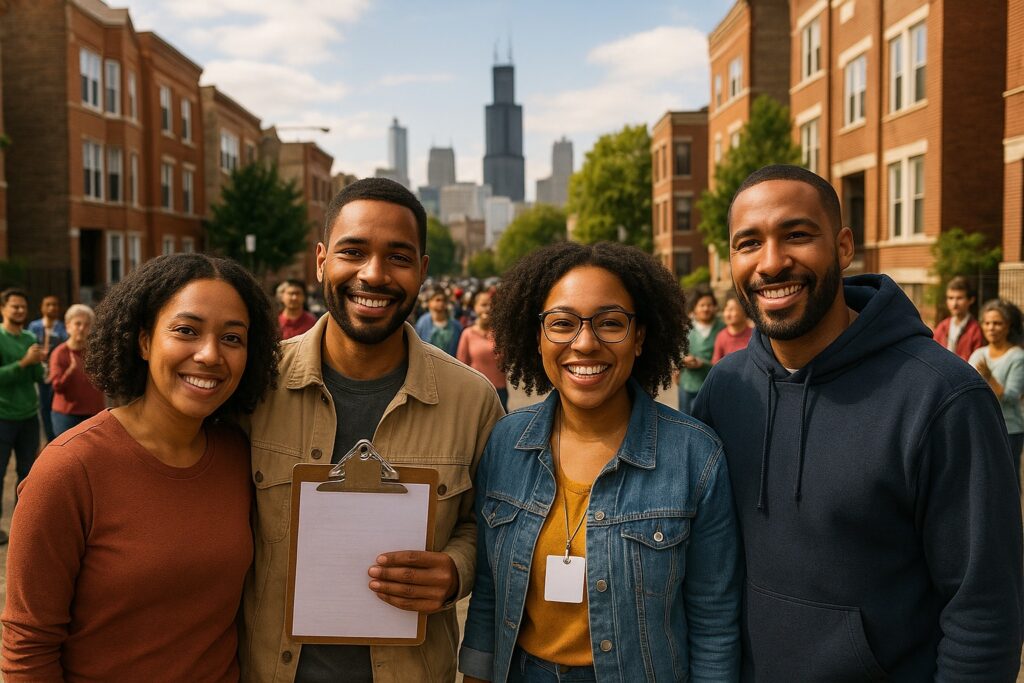
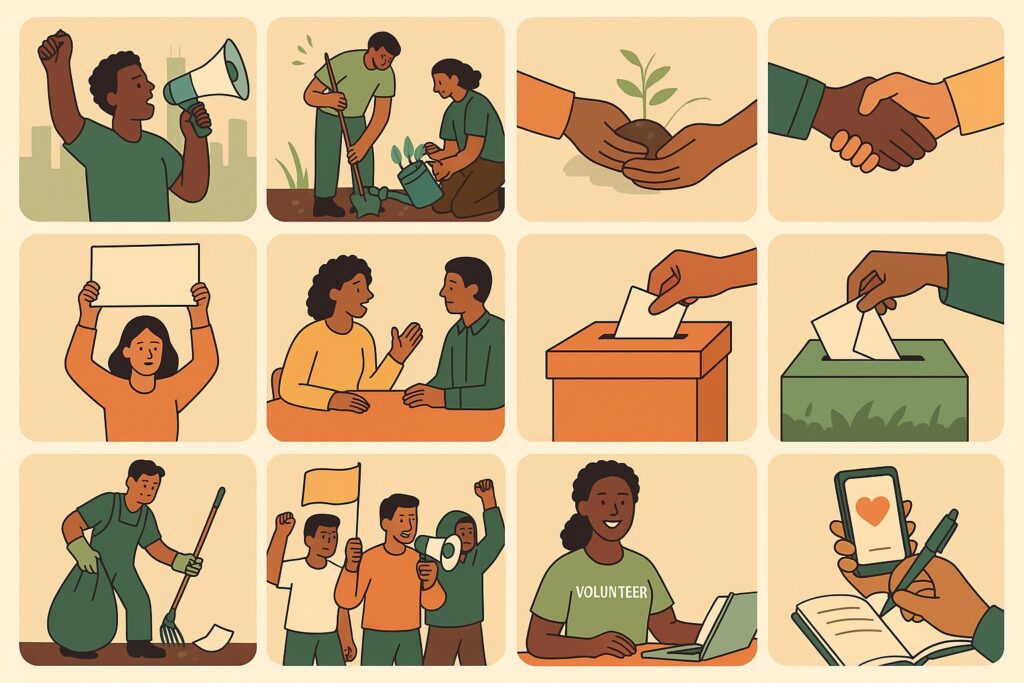
How to Volunteer for Social Justice Causes in Chicago

On any given day in Chicago, you might hear the steady beat of drums in a march down Michigan Avenue, see a neighborhood mural celebrating community resilience, or pass a group collecting signatures outside a train station. These aren’t isolated moments—they’re part of a larger, ongoing movement toward justice and equality.

For those who feel the pull to get involved, volunteering is one of the most direct ways to turn belief into action. Chicago has no shortage of opportunities for people who want to stand alongside others working toward change, but finding your place in that landscape takes a bit of reflection and research.

How to Volunteer for Social Justice Causes in Chicago

The City’s Deep Roots in Activism

Chicago’s history with social justice isn’t a passing trend—it’s a legacy. This is the city where labor unions fought for fair working conditions in the late 1800s, where Dr. Martin Luther King Jr. marched for open housing in 1966, and where neighborhood coalitions have consistently challenged policies that harm vulnerable communities.

That legacy continues today, but the issues have evolved. Now, activists tackle interconnected challenges: income inequality, racial profiling, gentrification, environmental hazards, underfunded schools, and lack of access to healthcare. Each cause overlaps with others, creating a network of needs that require equally diverse volunteer efforts.


Knowing Where Your Passion Meets the City’s Needs

There’s no single “right” way to be a volunteer in Chicago. Some people thrive in the fast-paced environment of protest organization, others prefer long-term policy work, and some want hands-on community service like mentoring youth or distributing meals.

Before you sign up for the first opportunity you see, take a moment to ask yourself a few key questions:

  • What issues make me feel the most urgency to act?
  • Do I want to work directly with people, or behind the scenes?
  • How much time and energy can I realistically commit each week or month?

Your answers will help guide you toward the causes where your contribution will feel meaningful—not just to the organization, but to you personally.


Where to Start: Chicago Organizations Leading the Way

A wide range of local groups are doing work worth supporting. Here are just a few that consistently make an impact:

  • My Block, My Hood, My City – Brings experiences and opportunities to underrepresented youth while strengthening community pride.
  • Chicago Coalition for the HomelessAdvocates for housing rights and supports people experiencing homelessness.
  • Chicago Freedom School – Empowers young leaders with the tools to create change through education and activism.
  • Environmental Law & Policy Center – Focuses on clean energy, environmental protection, and sustainable urban planning.
  • Women’s All Points Bulletin – Supports survivors of gender-based violence and raises awareness of women’s rights issues.

While these are trusted names, Chicago’s activist landscape is full of small, neighborhood-based collectives that can be just as impactful—sometimes even more so because they have deep community ties.


How to Begin Your Volunteer Journey

Taking that first step can feel intimidating, but breaking it down makes it manageable.

  1. Look for Opportunities That Match Your Interests – Platforms like VolunteerMatch, Idealist, and Chicago Cares are good starting points, but don’t underestimate word-of-mouth and local social media pages.
  2. Attend an Introductory Event – Whether it’s an open house at a community center or a virtual Q&A, these sessions give you a sense of the organization’s mission and vibe.
  3. Start Small – Try a one-time event before committing to something long-term. You’ll see if the work feels right for you.
  4. Show Up Consistently – Even two hours a month can make a difference when it’s regular and reliable.
  5. Build Relationships – Volunteering is about connection as much as it is about tasks. The people you meet will expand your network and deepen your understanding of the work.

Tips for Making a Real Impact

Once you’ve found your place, there are ways to make your time even more valuable:

  • Be a learner, not just a helper. The issues you’re engaging with have long histories—understanding them helps you contribute more effectively.
  • Respect lived experiences. Let the voices of those directly affected guide the work.
  • Bring your skills to the table. If you’re a photographer, offer to capture events. If you have writing experience, help with grant proposals or newsletters. And if your expertise is more practical, such as improving home or business security, you can support the community in meaningful ways through reliable professional services

Why It Matters More Than Ever

The challenges Chicago faces—like housing shortages, income gaps, and environmental threats—won’t disappear without sustained effort. Volunteers are often the backbone of these movements, providing the energy and manpower needed to keep momentum going.

Even small actions ripple outward. A single voter registration effort might increase turnout in a local election, changing how policy decisions are made. A few hours at a food pantry could free up staff to focus on broader advocacy. Your time becomes part of a much bigger picture.

source: UN Volunteers

Volunteering for social justice causes in Chicago isn’t just about giving—it’s about becoming part of a living, breathing network of people determined to make this city fairer for everyone. Whether you choose to march in the streets, tutor a student, organize donations, or help craft policy recommendations, your presence matters.

Chicago’s history has been shaped by those willing to step forward. Now it’s your turn to take a place in that story.

The written content on this page was generated by ChatGPT.