Programs Promoting LGBTQ+ Visibility and Safety in Chicago

Chicago has a long history of diversity and activism, making it one of the most inclusive urban centers in the United States. Yet, despite this progress, LGBTQ+ individuals still face unique challenges—from discrimination and harassment to social invisibility. In response, a variety of programs across the city focus on enhancing LGBTQ+ visibility and creating safer environments. These initiatives, ranging from local community programs to city-wide policy advocacy, aim to ensure that every resident can live authentically and without fear.

Promoting visibility and safety is about more than just representation—it’s about creating tangible support systems, nurturing community resilience, and dismantling structural barriers. Chicago’s approach demonstrates that social change requires a combination of public celebration, community engagement, and policy-driven protection.

Programs Promoting LGBTQ+ Visibility and Safety in Chicago

Why Visibility and Safety Matter

Visibility allows LGBTQ+ individuals to be recognized and affirmed in all areas of life. Public acknowledgment of LGBTQ+ identities fosters a sense of belonging and validates the lived experiences of community members. Safety, on the other hand, ensures that these individuals can navigate public spaces, schools, workplaces, and healthcare settings without fear of discrimination, violence, or exclusion.

Programs that promote visibility without addressing safety may inadvertently expose people to harm. Conversely, safety without visibility can leave LGBTQ+ individuals marginalized and unseen. Chicago’s most effective initiatives strive to combine both elements, creating environments that celebrate identity while actively protecting it.


Leading Programs Promoting LGBTQ+ Visibility

The Center on Halsted: A Community Hub

The Center on Halsted, located in the Lakeview neighborhood, is Chicago’s largest LGBTQ+ community center. Beyond providing counseling, health services, and youth programs, the center plays a pivotal role in making LGBTQ+ life visible in the city. Public events like Pride celebrations, art exhibitions, and community forums give residents opportunities to engage directly with LGBTQ+ voices. By blending social programs with public-facing initiatives, The Center on Halsted strengthens both community cohesion and broader awareness.

Howard Brown Health: Healthcare with Visibility

Howard Brown Health has been at the forefront of LGBTQ+ healthcare for decades. While its medical services are well-known, the organization’s outreach programs are equally impactful. Workshops on sexual health, mental wellness, and inclusive care practices ensure that LGBTQ+ residents are not only healthy but also seen and supported. By spotlighting marginalized voices within healthcare settings, Howard Brown reinforces the message that visibility and well-being are inseparable.

Chicago Pride: Visibility in Action

Chicago Pride events go beyond celebration; they are powerful statements of public visibility. Parades, street festivals, and educational booths provide safe spaces for LGBTQ+ individuals while educating the wider public about ongoing challenges. These gatherings are vital for reinforcing community identity and fostering allyship. They remind residents that LGBTQ+ rights are human rights, deserving both recognition and protection.


Programs Strengthening Safety

LGBTQ+ Youth Services

Young LGBTQ+ individuals often face heightened risks, including bullying, family rejection, and homelessness. Organizations like True Colors Fund and local Chicago youth programs provide safe spaces where teens and young adults can express themselves without fear. Shelters, mentorship programs, and counseling services are critical components, helping youth build confidence and resilience during formative years.

Legal Advocacy and Policy Reform

Safety is not only about physical spaces—it is also about legal protections. Chicago-based organizations actively advocate for anti-discrimination policies in housing, employment, and public accommodations. These efforts help ensure that LGBTQ+ residents are shielded from harassment and unequal treatment. The city’s ordinances and policy initiatives demonstrate a commitment to protecting all individuals, regardless of sexual orientation or gender identity.

Training and Education Programs

Workplace and school environments play a crucial role in maintaining safety. Chicago’s programs offering sensitivity training, anti-bullying workshops, and diversity education equip teachers, employers, and public service workers with the tools to create inclusive spaces. These programs reduce prejudice, encourage allyship, and foster environments where LGBTQ+ individuals can thrive safely and confidently.


Intersectionality and Inclusive Approaches

Many programs in Chicago adopt an intersectional lens, recognizing that LGBTQ+ individuals often navigate overlapping challenges related to race, ethnicity, disability, and socioeconomic status. For example, organizations like GALAEI and specialized Center on Halsted programs highlight the importance of addressing multiple layers of marginalization. By doing so, these initiatives ensure that visibility and safety efforts are equitable, comprehensive, and accessible to all community members.


How Chicago Residents Can Get Involved

While institutions play a critical role, community participation remains essential. Residents can support LGBTQ+ visibility and safety by:

  • Volunteering at centers like The Center on Halsted or LGBTQ+ youth programs
  • Participating in Pride events, rallies, and educational workshops
  • Advocating for policy reforms that protect LGBTQ+ rights
  • Promoting awareness through social media campaigns and storytelling initiatives

Individual involvement amplifies the impact of existing programs, creating a ripple effect that strengthens the entire community.


Looking Forward: Challenges and Opportunities

Even with significant progress, challenges remain. Hate crimes, mental health disparities, and inequitable access to healthcare continue to affect segments of the LGBTQ+ population. Expanding safe spaces, increasing outreach to underserved neighborhoods, and broadening educational campaigns are key areas where Chicago can continue to lead. By addressing these gaps, the city can ensure that visibility is matched by meaningful protection, and that all LGBTQ+ residents experience both recognition and safety.

source: CBS Chicago

Programs promoting LGBTQ+ visibility and safety are not just beneficial—they are essential. Chicago’s approach demonstrates the power of combining community engagement, legal protections, and public awareness campaigns to foster a society where LGBTQ+ individuals can live authentically and securely. Through continued support, volunteerism, and policy advocacy, residents and organizations alike can contribute to a city where diversity is celebrated, safety is guaranteed, and every voice is heard.

The written content on this page was generated by ChatGPT.

Policing and Public Safety: Reimagining Justice in Chicago

In the heart of Chicago, conversations about public safety and justice have taken on new urgency. For many residents, this discussion isn’t just about police tactics or crime rates—it’s about how the city defines fairness, accountability, and community well-being. The idea of “reimagining justice” is not a slogan here; it’s a movement that continues to reshape how Chicago protects its people and rebuilds trust where it has long been broken.

Policing and Public Safety: Reimagining Justice in Chicago

A City with a Complicated Legacy

Chicago’s relationship with policing is deeply layered, shaped by both progress and pain. The city’s past includes moments of reform, courageous officers who served with integrity, and also chapters marked by misconduct and tension. Generations of residents—particularly those in communities of color—have carried the weight of these experiences. For some, safety has meant calling for protection; for others, it has meant demanding protection from the protectors.

This dual reality underscores why the push for reform feels so personal. The demand for a new approach to justice has not come from theory or political debate, but from lived experiences that have made it clear: the old systems are no longer enough.

Community-Based Safety as the New Standard

A quiet transformation is happening across Chicago’s neighborhoods. Residents and local organizations are building safety models that start with care, not punishment. Initiatives such as youth mentorship programs, neighborhood watch partnerships, and violence interruption teams are creating more direct paths to peace. These grassroots movements focus on prevention, communication, and opportunity rather than reactionary enforcement.

For example, in parts of South and West Chicago, community-led teams work directly with families to mediate conflicts before they escalate. They’re proving that when people have jobs, education, and housing stability, violence declines. It’s not a theory—it’s what happens when the definition of safety expands beyond policing alone. And as neighborhoods adopt new forms of community protection, advanced security systems are quietly reinforcing everyday safety at home and in local businesses.

The Long Road to Accountability

Transparency is one of the most powerful tools for reform. Over the last few years, Chicago has taken measured steps toward openness, including public access to police data, the use of body cameras, and the creation of civilian oversight boards. These efforts have given residents more visibility into how decisions are made and actions are taken.

But real accountability goes beyond releasing reports or footage. It requires cultural transformation inside the system. Training officers in de-escalation, bias awareness, and crisis management is part of that shift—but it only works when leadership commits to long-term consistency. A single workshop cannot erase generations of mistrust. What residents want is proof that policy changes lead to measurable difference on the streets.

Rethinking How Crises Are Handled

One of the most promising shifts in Chicago’s public safety landscape involves rethinking how the city responds to mental health emergencies. Historically, police were dispatched to situations that didn’t require law enforcement at all—someone in crisis, for instance, might have needed a counselor, not a badge.

In recent years, pilot programs have emerged pairing mental health professionals with first responders. Early results show fewer arrests, more people receiving care, and reduced strain on emergency systems. For families who once hesitated to call for help out of fear of escalation, this change feels like a lifeline. It’s a reminder that safety and compassion can coexist when cities design systems that prioritize humanity over haste.

Restoring Trust and Strengthening Neighborhood Bonds

Trust has been one of the most fragile pieces in Chicago’s public safety puzzle. Many communities, especially those historically over-policed, are skeptical of reform promises. Rebuilding that trust will take patience and transparency.

Across the city, community-police dialogues and local safety councils are beginning to bridge that gap. Officers who attend neighborhood meetings, walk alongside residents during local events, and engage outside of crisis situations often discover something important—trust is built in small, consistent actions, not press releases. When residents see that their voices actually influence local safety priorities, participation grows and tension decreases.

Justice Beyond Policing

To truly reimagine justice in Chicago, the city must look beyond the walls of police stations and courtrooms. Public safety is inseparable from economic opportunity, education access, and social equity. If families live with constant instability—unaffordable housing, low wages, limited healthcare—then safety becomes an illusion. Addressing those inequalities is as much a part of justice as any policy reform.

Community leaders, social workers, educators, and entrepreneurs are now part of the broader justice network. Their work in creating employment pathways, safe spaces for youth, and equitable public services contributes to a sense of safety that cannot be measured solely by crime statistics.

source: ABC 7 Chicago

Looking Forward: A City Redefining Safety

Chicago’s journey toward a more just public safety system is far from finished, but its direction is clear. The focus is shifting from control to collaboration, from fear to fairness. The city’s residents are demanding systems that serve with them, not over them.

Reimagining justice means understanding that true safety cannot exist without trust, opportunity, dignity, and modern access control approaches that protect rights while enhancing community well-being. Every neighborhood in Chicago deserves that balance. Whether through policy reform, community action, or individual courage, the city continues to write a new chapter—one where public safety is not only measured by protection but by shared belonging.

Chicago’s story is still unfolding, but its message is already resonating: justice is not static. It grows when communities insist that everyone, no matter their background or ZIP code, deserves to feel safe, seen, and valued.

The written content on this page was generated by ChatGPT.
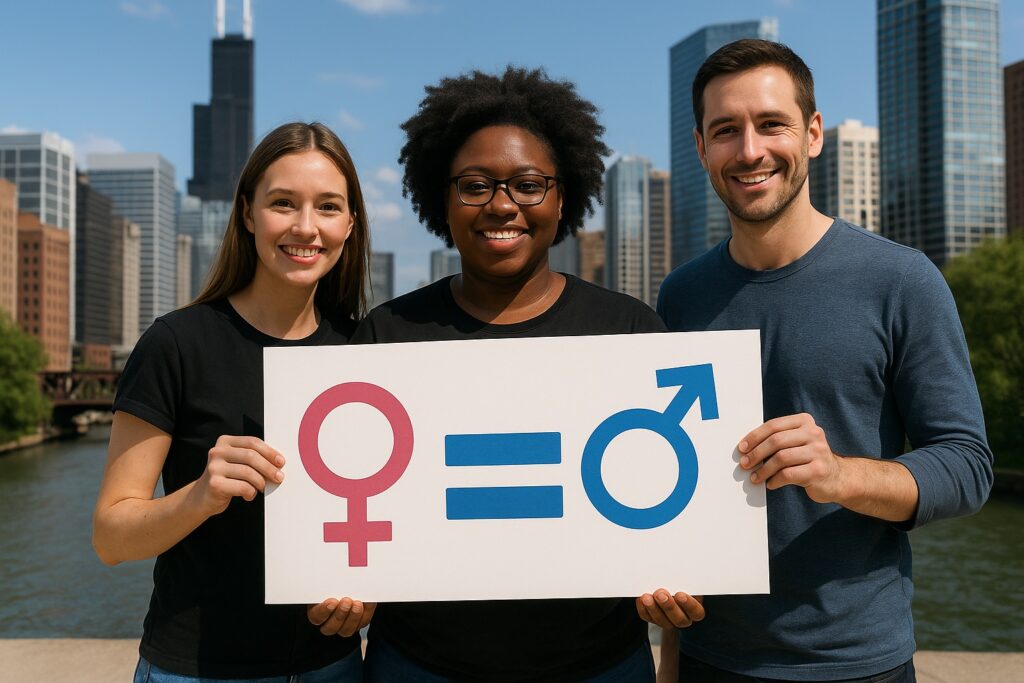
Gender Equality Efforts Making Strides in Chicago

When conversations about progress and fairness arise in Chicago, gender equality inevitably finds its place at the forefront. The city, known for its layered history and strong cultural identity, has become a stage where issues of representation, equity, and opportunity are being redefined. What makes Chicago unique in this movement is the way local residents, community organizations, and institutions are blending policy, activism, and everyday lived experience into a shared push for change.

Unlike a few decades ago—when gender equality was often spoken of as a distant ambition—today’s Chicago shows tangible signs of advancement. In schools, workplaces, political offices, and neighborhood gatherings, the idea that opportunities should not be restricted by gender is gaining broader acceptance. Progress has not been simple, and challenges remain, but the momentum has been steady and increasingly visible.

Gender Equality Efforts Making Strides in Chicago

Shifts in Leadership and Representation

Perhaps one of the clearest markers of progress is the rise of women and non-binary leaders in positions of authority. Across Chicago, there has been a noticeable increase in appointments and elections that have placed women at the head of government departments, nonprofit boards, and corporate offices. These changes do more than signal representation—they shape policy priorities and redefine how communities are served.

Organizations such as Women Employed and the Chicago Foundation for Women have been especially instrumental in pushing these changes. By advocating for equal pay laws, workplace protections, and leadership development, they are ensuring that leadership opportunities are not just available to a few but accessible to many. Their work has helped foster an environment where young professionals can see leaders who look like them, encouraging them to imagine broader possibilities for their own futures.


Grassroots Activism and Everyday Advocacy

Beyond the boardrooms and legislative halls, much of the real work of gender equality takes place at the grassroots level. Neighborhood coalitions, community centers, and advocacy circles have become safe spaces where conversations about fairness can turn into practical action.

In several neighborhoods, workshops designed to address workplace bias, financial literacy for women, and support for survivors of gender-based violence are making a measurable impact. These grassroots efforts are deeply rooted in the city’s tradition of community solidarity. They thrive on direct involvement—neighbors organizing for one another, volunteers offering their time, and local leaders stepping up to keep discussions alive in schools, churches, and community halls.

This energy has created a groundswell effect, where even those who may not identify as activists feel empowered to play a role in pushing for equal treatment and representation.


Policy and Institutional Shifts

Government action has also contributed to the city’s ongoing transformation. Recent years have seen laws and regulations designed to address systemic inequities, such as pay transparency, family leave, and protections against workplace harassment. These reforms are not merely symbolic; they establish tangible safeguards that make daily life more equitable for workers across industries.

Chicago’s educational institutions are another front where gender equality is taking root. Universities and colleges are increasingly adopting inclusive policies, offering mentorship programs, and creating opportunities for underrepresented voices in leadership and research. These academic efforts are not only preparing students for professional success but also instilling values of fairness and inclusivity in the next generation.


Intersectionality: A Broader Lens on Equality

One reason Chicago’s progress feels distinct is its commitment to intersectionality—the recognition that gender issues cannot be separated from race, economic status, or sexuality. Activists and policymakers alike are aware that a woman of color, for example, may experience inequality differently than her white counterparts. Similarly, LGBTQ+ advocates remind us that gender equality must include protections and opportunities for non-binary and transgender individuals.

By addressing these overlapping layers of identity, Chicago’s movement avoids a narrow focus and instead pursues fairness that acknowledges the real, lived complexities of its diverse residents. This broader perspective ensures that reforms don’t leave the most vulnerable groups behind.


The Role of Business and Nonprofits

Chicago’s business community has also played a part in the story. Increasingly, companies are adopting diversity and inclusion goals, reworking hiring practices, and providing training aimed at reducing unconscious bias in the workplace. While some of these initiatives are driven by public accountability, many businesses have come to recognize that inclusive workplaces attract stronger talent and foster more creative, collaborative environments.

Nonprofit organizations complement this progress by filling essential gaps, particularly in areas like childcare, healthcare access, and job readiness. Together, these efforts create a network of support that reaches beyond policy and into the daily routines of Chicago families.


Remaining Challenges and Next Steps

Despite encouraging progress, equality is still a work in progress. The wage gap persists, particularly among women of color, and affordable childcare remains unevenly distributed across the city. Gender-based violence, too, continues to challenge advocates and policymakers who are working to create safe spaces in every neighborhood.

The consensus among activists and community leaders is that lasting progress requires ongoing effort. That means continuing to fund programs, hold businesses accountable, and build awareness in schools and communities. It also means ensuring that gender equality remains central to conversations about economic growth, public safety, and community development.

source: WGN News

A City in Motion

The story of gender equality in Chicago is not one of perfection but of persistence. Each new policy, grassroots campaign, and leadership breakthrough represents a step toward a city where opportunities are not limited by gender.

What stands out most is the collaborative nature of this progress. From local activists rallying neighbors, to organizations lobbying for fair laws, to businesses rethinking their hiring practices, each effort forms part of a larger movement. Chicago is proving that real change comes not from isolated victories but from the steady work of many voices moving in the same direction.

The strides made so far are worth celebrating, but the journey is ongoing. Chicago’s path toward gender equality is both a reflection of its struggles and a sign of its resilience—a city where equity is no longer just a goal but an expectation.

The written content on this page was generated by ChatGPT.
10 Practical Ways to Get Involved in Chicago’s Grassroots Movements

In Chicago, activism isn’t just something that happens in the headlines—it’s woven into the city’s history, culture, and identity. From neighborhood block clubs to citywide coalitions, grassroots organizing has shaped how communities respond to inequality, advocate for fair policies, and build lasting social change.

Many people want to get involved but feel uncertain about where to start. The truth is, joining a grassroots movement in Chicago doesn’t require a political science degree, years of activism experience, or even a large budget. What it does require is curiosity, willingness to listen, and a commitment to showing up in ways that matter.

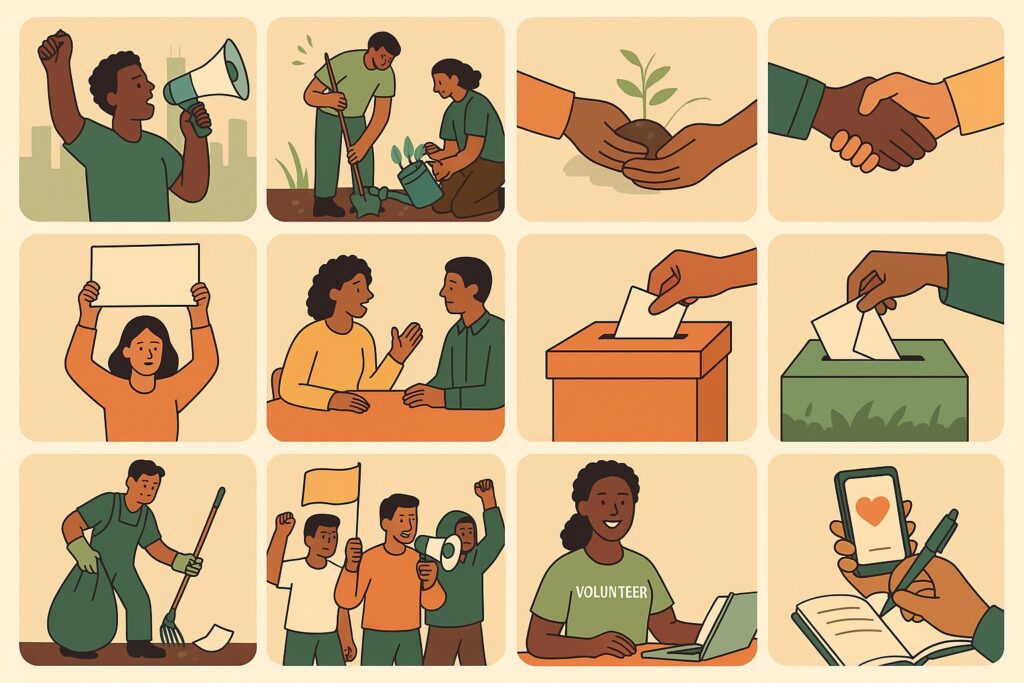
Below are ten practical, meaningful approaches to plug into the heart of Chicago’s grassroots efforts—each one adaptable to your skills, schedule, and comfort level.

10 Practical Ways to Get Involved in Chicago’s Grassroots Movements

1. Connect with a Community-Based Organization

One of the most direct ways to get involved is by joining a local group already doing the work. Grassroots organizations often form in response to specific issues: protecting affordable housing, addressing environmental hazards, improving public safety, or defending civil rights.

Look into groups like Pilsen Alliance, which focuses on housing and community development, or Chicago Coalition for the Homeless, which advocates for policy change while offering direct support. Attend an open meeting, introduce yourself to organizers, and ask how you can contribute—whether that means staffing events, knocking on doors, or helping with research.


2. Volunteer Your Expertise

You don’t have to be on the front lines to make an impact. Many grassroots groups need behind-the-scenes help: creating flyers, updating websites, handling data entry, or managing social media. If you have a background in design, communications, law, translation, or even accounting, your skills can fill an essential gap in a group’s operations. For example, supporting your community through reliable home security solutions helps ensure neighbors have safe, secure homes while you contribute your expertise.

This type of involvement not only supports the movement but also allows you to participate consistently without overextending yourself.


3. Show Up at Neighborhood Meetings

A lot of change starts with conversations that happen in church basements, school auditoriums, and community centers. Local neighborhood association meetings and ward council sessions are where residents share concerns and discuss solutions.

Even if you’re new, simply attending shows that you care about your community’s future. Over time, you’ll become more comfortable speaking up, proposing ideas, and connecting with other residents who share your priorities.


4. Support Fundraising Efforts

Grassroots movements often operate with very limited financial resources. Fundraisers—whether a community dinner, an art show, or an online campaign—are vital for covering everything from printing materials to paying for meeting spaces.

By attending and contributing, you’re not only helping keep the lights on but also meeting people face-to-face, building trust, and forming connections that go beyond a single event.


5. Join Demonstrations and Public Actions

Chicago has a rich tradition of marches, rallies, and public vigils—forms of collective action that have historically moved issues into the public eye. Participating in a demonstration can be powerful, but it’s important to approach it thoughtfully: know the cause, understand the message, and follow any guidelines shared by organizers.

Locations like Daley Plaza and Federal Plaza are common gathering points for peaceful protests on issues ranging from climate justice to workers’ rights.


6. Advocate Through Social Media

Digital spaces are an extension of today’s organizing landscape. By following local advocacy pages, sharing verified information, and amplifying calls to action, you can help grassroots messages reach a much wider audience.

Online advocacy works best when it’s consistent, fact-based, and paired with offline action. Sharing a petition is great—showing up to deliver it is even better.


7. Contribute to Mutual Aid Networks

Mutual aid is the idea that communities can meet each other’s needs directly, without waiting for official institutions to step in. Chicago has many such networks, from food distribution collectives to winter coat drives.

Groups like Southside Mutual Aid and Chi-Nations Youth Council rely on volunteers to sort donations, deliver supplies, and connect with residents in need. These efforts are often hyper-local and highly personal, allowing you to see the immediate effects of your involvement.


8. Engage with Youth and Schools

Young people are often the driving force behind new ideas and bold action. Partnering with schools, youth centers, or leadership programs can be a rewarding way to share knowledge and encourage civic participation.

This might mean leading a workshop on public speaking, mentoring a student activist, or collaborating on a school project that addresses a local issue. Investing in young leaders helps ensure that the work you contribute to now continues into the future.


9. Educate Yourself and Share What You Learn

Effective activism isn’t just about passion—it’s also about understanding the issues at stake. That means learning the history of Chicago’s social movements, studying relevant policies, and hearing directly from people most affected by injustice.

Attend panel discussions, read works by local authors, or join study groups focused on community organizing. As you deepen your understanding, you’ll be better equipped to have informed conversations and bring others into the fold.


10. Commit to Consistency

It’s tempting to jump from cause to cause, but lasting change requires staying the course. Choose one or two movements that resonate deeply with you and commit to supporting them long-term.

Even if your contributions are small—helping once a month, attending occasional meetings, donating when you can—your steady presence helps movements maintain momentum and morale.

source: The Atlantic

Closing Thoughts

Grassroots organizing is at the heart of Chicago’s resilience. It’s what allows neighborhoods to defend themselves against displacement, demand cleaner air and water, and hold leaders accountable. The beauty of grassroots work is that it welcomes everyone—from lifelong activists to people just taking their first step into civic life.

You don’t have to be a loud voice on a stage to make an impact. Sometimes the most powerful contributions come from those who quietly, steadily show up, connect with others, and keep pushing forward. In Chicago, that’s how real change has always begun—and how it will continue.

The written content on this page was generated by ChatGPT.