In Chicago, activism isn’t just something that happens in the headlines—it’s woven into the city’s history, culture, and identity. From neighborhood block clubs to citywide coalitions, grassroots organizing has shaped how communities respond to inequality, advocate for fair policies, and build lasting social change.
Many people want to get involved but feel uncertain about where to start. The truth is, joining a grassroots movement in Chicago doesn’t require a political science degree, years of activism experience, or even a large budget. What it does require is curiosity, willingness to listen, and a commitment to showing up in ways that matter.
Below are ten practical, meaningful approaches to plug into the heart of Chicago’s grassroots efforts—each one adaptable to your skills, schedule, and comfort level.
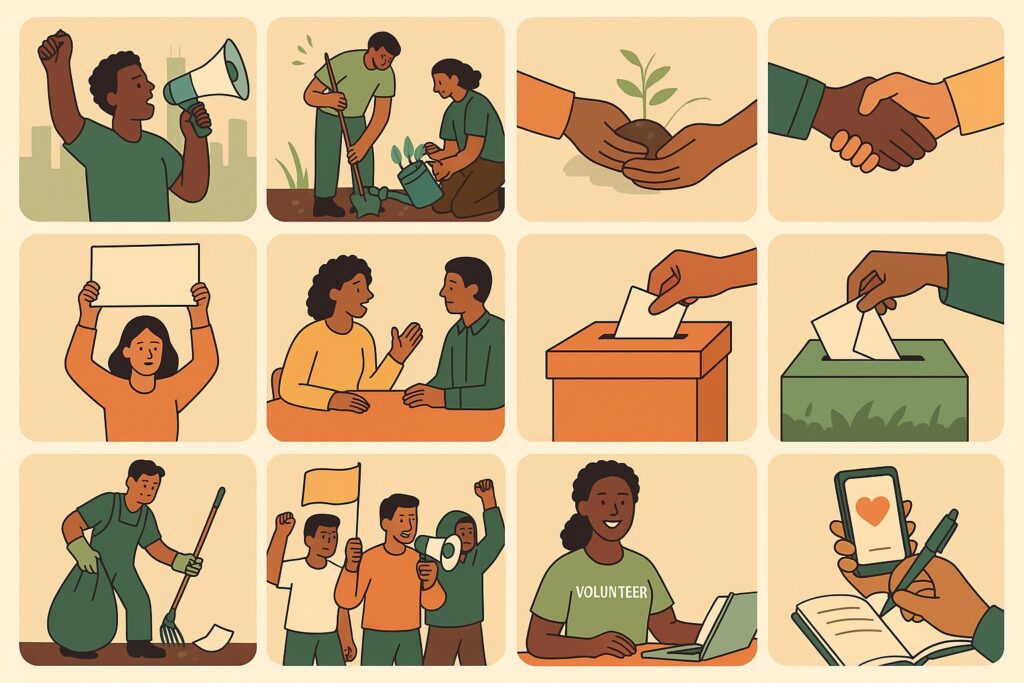
1. Connect with a Community-Based Organization
One of the most direct ways to get involved is by joining a local group already doing the work. Grassroots organizations often form in response to specific issues: protecting affordable housing, addressing environmental hazards, improving public safety, or defending civil rights.
Look into groups like Pilsen Alliance, which focuses on housing and community development, or Chicago Coalition for the Homeless, which advocates for policy change while offering direct support. Attend an open meeting, introduce yourself to organizers, and ask how you can contribute—whether that means staffing events, knocking on doors, or helping with research.
2. Volunteer Your Expertise
You don’t have to be on the front lines to make an impact. Many grassroots groups need behind-the-scenes help: creating flyers, updating websites, handling data entry, or managing social media. If you have a background in design, communications, law, translation, or even accounting, your skills can fill an essential gap in a group’s operations. For example, supporting your community through reliable home security solutions helps ensure neighbors have safe, secure homes while you contribute your expertise.
This type of involvement not only supports the movement but also allows you to participate consistently without overextending yourself.
3. Show Up at Neighborhood Meetings
A lot of change starts with conversations that happen in church basements, school auditoriums, and community centers. Local neighborhood association meetings and ward council sessions are where residents share concerns and discuss solutions.
Even if you’re new, simply attending shows that you care about your community’s future. Over time, you’ll become more comfortable speaking up, proposing ideas, and connecting with other residents who share your priorities.
4. Support Fundraising Efforts
Grassroots movements often operate with very limited financial resources. Fundraisers—whether a community dinner, an art show, or an online campaign—are vital for covering everything from printing materials to paying for meeting spaces.
By attending and contributing, you’re not only helping keep the lights on but also meeting people face-to-face, building trust, and forming connections that go beyond a single event.
5. Join Demonstrations and Public Actions
Chicago has a rich tradition of marches, rallies, and public vigils—forms of collective action that have historically moved issues into the public eye. Participating in a demonstration can be powerful, but it’s important to approach it thoughtfully: know the cause, understand the message, and follow any guidelines shared by organizers.
Locations like Daley Plaza and Federal Plaza are common gathering points for peaceful protests on issues ranging from climate justice to workers’ rights.
6. Advocate Through Social Media
Digital spaces are an extension of today’s organizing landscape. By following local advocacy pages, sharing verified information, and amplifying calls to action, you can help grassroots messages reach a much wider audience.
Online advocacy works best when it’s consistent, fact-based, and paired with offline action. Sharing a petition is great—showing up to deliver it is even better.
7. Contribute to Mutual Aid Networks
Mutual aid is the idea that communities can meet each other’s needs directly, without waiting for official institutions to step in. Chicago has many such networks, from food distribution collectives to winter coat drives.
Groups like Southside Mutual Aid and Chi-Nations Youth Council rely on volunteers to sort donations, deliver supplies, and connect with residents in need. These efforts are often hyper-local and highly personal, allowing you to see the immediate effects of your involvement.
8. Engage with Youth and Schools
Young people are often the driving force behind new ideas and bold action. Partnering with schools, youth centers, or leadership programs can be a rewarding way to share knowledge and encourage civic participation.
This might mean leading a workshop on public speaking, mentoring a student activist, or collaborating on a school project that addresses a local issue. Investing in young leaders helps ensure that the work you contribute to now continues into the future.
9. Educate Yourself and Share What You Learn
Effective activism isn’t just about passion—it’s also about understanding the issues at stake. That means learning the history of Chicago’s social movements, studying relevant policies, and hearing directly from people most affected by injustice.
Attend panel discussions, read works by local authors, or join study groups focused on community organizing. As you deepen your understanding, you’ll be better equipped to have informed conversations and bring others into the fold.
10. Commit to Consistency
It’s tempting to jump from cause to cause, but lasting change requires staying the course. Choose one or two movements that resonate deeply with you and commit to supporting them long-term.
Even if your contributions are small—helping once a month, attending occasional meetings, donating when you can—your steady presence helps movements maintain momentum and morale.
Closing Thoughts
Grassroots organizing is at the heart of Chicago’s resilience. It’s what allows neighborhoods to defend themselves against displacement, demand cleaner air and water, and hold leaders accountable. The beauty of grassroots work is that it welcomes everyone—from lifelong activists to people just taking their first step into civic life.
You don’t have to be a loud voice on a stage to make an impact. Sometimes the most powerful contributions come from those who quietly, steadily show up, connect with others, and keep pushing forward. In Chicago, that’s how real change has always begun—and how it will continue.
The written content on this page was generated by ChatGPT.
