Chicago is a city of vibrant neighborhoods, rich culture, and undeniable resilience. Yet, beneath the skyline and bustling streets lies a reality many young people face: limited access to resources, educational inequities, and social obstacles that can hinder their potential. For marginalized youth, these challenges can feel overwhelming. Fortunately, mentorship programs across the city are providing guidance, support, and opportunities that help young people navigate these hurdles and build brighter futures.
Mentorship goes beyond casual advice — it creates lasting relationships that empower youth to grow academically, socially, and professionally. By connecting with experienced mentors, marginalized youth in Chicago gain access to networks, skills, and encouragement that can profoundly change their trajectories.
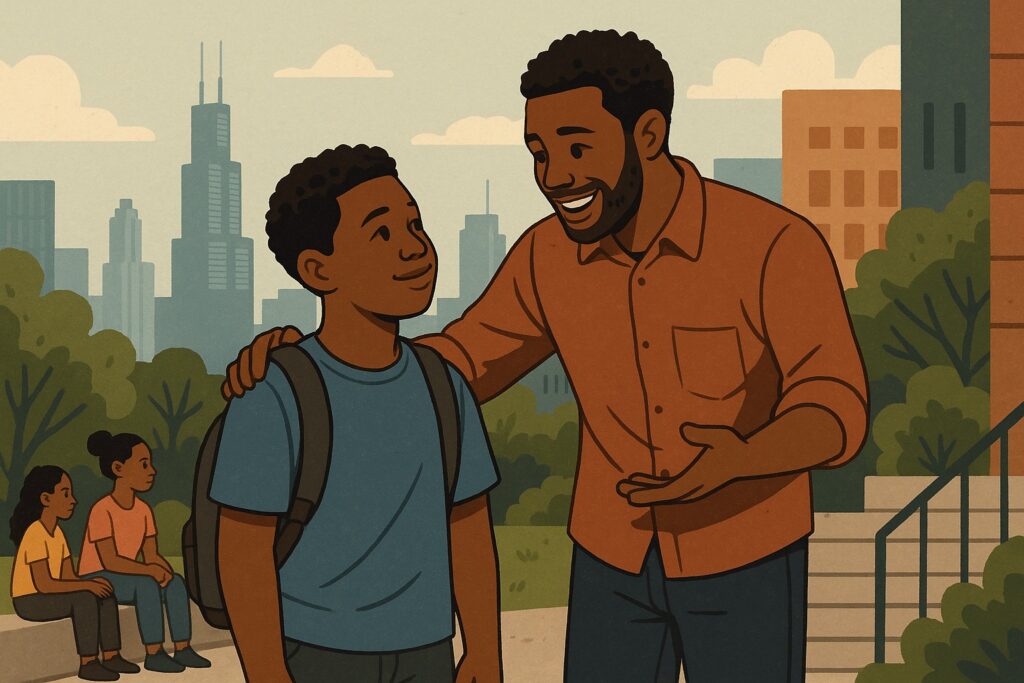
The Importance of Mentorship for Marginalized Youth
Young people growing up in under-resourced neighborhoods often face systemic barriers that limit access to opportunities. Mentorship programs help bridge these gaps by providing consistent support and role models who understand their experiences.
Mentors offer guidance on academic performance, college preparation, career development, and life skills. But perhaps most importantly, they provide emotional support. For many young people, having someone who believes in their potential and offers guidance can be life-changing. Studies show that youth with mentors are more likely to graduate high school, pursue higher education, and engage positively in their communities.
Notable Mentorship Programs in Chicago
Chicago is home to several mentorship programs designed specifically to support marginalized youth. These programs not only offer one-on-one guidance but also create structured environments for learning and growth.
Big Brothers Big Sisters of Metropolitan Chicago
Big Brothers Big Sisters is one of the city’s most established mentorship programs. Pairing children aged 6–18 with adult mentors, the program focuses on building meaningful relationships that foster self-confidence, goal-setting, and resilience. Participants often report improvements in school performance, social skills, and overall well-being.
Chicago Urban League Youth Mentorship Initiatives
The Chicago Urban League offers programs aimed at preparing youth from underserved communities for academic and career success. Through workshops, tutoring, and mentorship, students gain practical skills and exposure to professional opportunities. The program emphasizes long-term personal development and empowerment.
After School Matters
Targeting teens aged 14–21, After School Matters blends mentorship with hands-on learning in arts, STEM, leadership, and sports. Mentors guide participants through projects, helping them develop skills, explore interests, and set achievable goals. The program fosters creativity, critical thinking, and self-confidence.
Youth Guidance’s Becoming A Man (BAM) Program
BAM is designed for young men in Chicago high schools, focusing on social-emotional learning, academic support, and mentorship. Participants work closely with mentors to address challenges like conflict resolution, decision-making, and career readiness. The program emphasizes resilience, responsibility, and leadership.
How Mentorship Programs Tackle Broader Social Challenges
Beyond personal development, mentorship programs address systemic challenges that affect marginalized youth:
- Educational Gaps: Mentors help students with homework, college applications, and skill-building activities, helping to close achievement gaps.
- Economic Disparities: Programs provide career exposure, internships, and financial literacy workshops, offering youth tools to succeed economically.
- Community Safety: Mentorship creates safe spaces and positive networks, reducing youth involvement in risky behaviors.
- Mental Health Support: Mentors provide emotional guidance, helping youth navigate stress, trauma, and societal pressures.
By addressing these systemic issues, mentorship programs contribute to healthier communities and a more equitable Chicago.
The Role of the Community in Supporting Mentorship
Effective mentorship relies on strong community support. Schools, nonprofits, local businesses, and city agencies all play a role in sustaining programs and expanding their reach. Volunteer mentors, financial sponsors, and civic leaders are crucial in creating networks that ensure youth have access to opportunities.
Neighborhood engagement is also vital. Communities that celebrate mentorship through events, workshops, and showcases create a culture that values youth development. These efforts encourage participation, build trust, and strengthen connections between youth and their mentors.
How to Get Involved
Chicago residents who want to make a difference in young lives can contribute in several ways:
- Mentoring: Offer your time and experience to guide a young person.
- Volunteering: Support program activities, events, and workshops.
- Donating: Financial support helps sustain programs and provide critical resources.
- Partnerships: Businesses and organizations can create internships, job shadowing opportunities, and skill-building workshops for youth.
Even small acts of involvement can have meaningful impacts, helping youth gain confidence, skills, and access to opportunities that might otherwise be out of reach.
Success Stories: Proof of Impact
The impact of mentorship programs is evident in the successes of Chicago youth. Students who participate in these programs are graduating, pursuing higher education, and building careers. Some even return as mentors themselves, continuing the cycle of guidance and support. These stories demonstrate that mentorship not only transforms individual lives but also strengthens entire communities.
Conclusion
Mentorship programs in Chicago are a vital force for change, helping marginalized youth overcome barriers and realize their potential. By offering guidance, support, and access to opportunities, these programs foster resilience, confidence, and long-term success.
As Chicago continues to address systemic inequities, mentorship remains a cornerstone of social justice. Whether through volunteering, donating, or advocating, community members can play an essential role in shaping the next generation of leaders who will help build a stronger, more equitable city.
The written content on this page was generated by ChatGPT.