Culturally Responsive Education Programs in Chicago

Chicago’s neighborhoods are a living mosaic of cultures, languages, and histories. From the vibrant murals of Pilsen celebrating Mexican-American heritage to Bronzeville’s deep African-American cultural roots, and the historic streets of Chinatown, the city pulses with diversity. Yet, for many students, the traditional school curriculum often fails to reflect their lived experiences, leaving a disconnect between what they learn and the world they inhabit. Culturally responsive education programs aim to close this gap, creating classrooms where diversity is not just acknowledged but actively integrated into learning.

Culturally Responsive Education Programs in Chicago

Understanding Culturally Responsive Education

Culturally responsive education (CRE) is more than teaching tolerance or celebrating heritage months. It is an educational philosophy that centers students’ cultural identities as an essential part of the learning process. By incorporating students’ languages, histories, and experiences, CRE helps them see themselves in the curriculum while building critical thinking, academic confidence, and community awareness.

For Chicago, a city where more than half of public school students identify as Black, Hispanic, Asian, or multiracial, culturally responsive teaching is not optional—it is essential. It equips students to navigate both their local communities and a globally interconnected world.

How Chicago Schools Are Leading the Way

Chicago Public Schools’ Framework

Chicago Public Schools (CPS) has made significant strides in implementing culturally responsive practices. Through initiatives spearheaded by the Office of Multicultural Curriculum and Programs, CPS provides professional development for teachers, helping them craft lessons that reflect students’ cultural backgrounds. History classes may explore the Civil Rights Movement through local Chicago stories, while literature courses highlight the voices of Latino authors from Pilsen or Black writers from the South Side. This approach ensures students see their identities represented in meaningful ways.

Dual Language and Bilingual Programs

Many Chicago schools have adopted dual language and bilingual programs as a cornerstone of culturally responsive education. Neighborhoods such as Little Village and Albany Park, with high concentrations of Spanish-speaking families, offer programs where students learn content in both English and Spanish. Research shows that dual-language programs not only improve bilingual proficiency but also foster empathy and cross-cultural understanding among students. By embracing students’ native languages, schools create an inclusive environment that values each student’s heritage.

Community Partnerships

Chicago’s schools increasingly partner with local organizations to enrich culturally responsive education. Museums, cultural centers, and neighborhood nonprofits provide hands-on experiences that bring lessons to life. For example, collaborations with the DuSable Museum of African American History allow students to explore African-American history and culture beyond textbooks. Local theater programs and arts organizations also offer creative outlets for students to express their cultural identities while engaging with the curriculum.

Why Culturally Responsive Education Matters

The benefits of culturally responsive education extend far beyond classroom engagement:

  • Academic Achievement: Studies have shown that students in CRE programs often perform better academically, particularly in reading comprehension and critical thinking.
  • Enhanced Self-Esteem: When students see their cultures respected and reflected in their education, they develop confidence and a stronger sense of belonging.
  • Community Engagement: CRE programs connect schools with families and neighborhoods, fostering collaborative efforts that benefit the broader community.
  • Teacher-Student Relationships: Educators trained in cultural responsiveness build trust and understanding with students, leading to a more supportive learning environment.
  • Preparation for a Diverse World: Students learn to navigate diverse perspectives, which prepares them for college, careers, and civic life in multicultural contexts.

Overcoming Challenges

Implementing culturally responsive education is not without hurdles. Some schools lack resources, leaving teachers without access to training or culturally relevant materials. Additionally, standardized testing and rigid curricula can make it difficult for educators to fully integrate CRE strategies. However, organizations like Chicago Beyond, Education Forward, and local foundations are stepping in to fill these gaps, providing funding, workshops, and mentorship programs that empower teachers and students alike.

source: Edutopia

Looking Ahead: The Future of CRE in Chicago

As Chicago continues to grow as a culturally diverse city, the importance of culturally responsive education will only increase. Schools are recognizing that embracing students’ cultural identities is not just about inclusion—it is about achieving educational equity and preparing students to thrive in an interconnected world.

The city’s educators, community leaders, and policymakers are exploring innovative ways to expand CRE programs, from incorporating technology to enhance bilingual learning, to developing partnerships with local cultural institutions. The ultimate goal is a Chicago where every student sees themselves reflected in the classroom, feels valued, and has the tools to succeed academically and socially.

Culturally responsive education is more than a teaching method—it is a commitment to equity, inclusion, and empowerment. By investing in these programs, Chicago is not only transforming classrooms but also shaping a generation of students equipped to navigate a diverse and complex world with confidence, empathy, and understanding.

The written content on this page was generated by ChatGPT.

Bridging the Digital Divide: Tech Access and Equity in Chicago

Technology has become a cornerstone of modern life, touching everything from education to employment, healthcare, and civic engagement. Yet, in Chicago, access to these essential tools is far from universal. Across the city, many residents still face barriers to computers, high-speed internet, and digital literacy. This gap—commonly referred to as the digital divide—creates real challenges for individuals, families, and communities. Understanding the scope of the problem and the efforts underway to address it is crucial for building a more equitable city.

Bridging the Digital Divide: Tech Access and Equity in Chicago

The Uneven Landscape of Technology Access

Chicago’s digital divide is most visible in low-income neighborhoods, particularly on the South and West Sides of the city. According to recent data, nearly one in five households in these areas lacks reliable broadband internet. For students, this often means struggling to complete homework or access remote learning resources. For adults, it can translate into missed job opportunities or difficulty accessing essential services online.

Relying solely on smartphones is not enough. While many residents have mobile devices, tasks like writing resumes, conducting research, or participating in virtual classes require a laptop or desktop computer with stable internet. Without these resources, people are effectively excluded from many aspects of modern life.


Education and the Digital Divide

The pandemic highlighted just how critical technology access is for education. When schools shifted to remote learning, students without laptops or Wi-Fi faced significant setbacks. Teachers reported students missing assignments, lagging behind in lessons, or struggling to participate in virtual classes.

In response, programs like Chicago Connected have stepped up, providing free internet access to thousands of students in need. Beyond connectivity, schools are increasingly incorporating digital literacy into their curricula, helping young people navigate technology confidently and responsibly. These efforts are not just temporary fixes—they aim to equip students with skills that will benefit them throughout their lives.


Community-Led Solutions

Many of the city’s most effective initiatives come from local nonprofits and community organizations. Groups such as the Chicago Urban League and One Million Degrees provide technology access, training, and mentorship for underserved populations. By offering workshops in coding, job applications, and online safety, these organizations help residents use technology not just for entertainment, but as a tool for advancement.

Chicago’s public libraries also play a key role. Beyond offering free computer access, they host digital skills programs, from basic computer literacy to advanced technical training. These resources create opportunities for people who might otherwise be left behind, and they foster community learning in a welcoming environment.

Volunteer-driven efforts complement these programs. Tech professionals often donate time, teaching coding, repairing computers, or mentoring students. Such initiatives highlight the importance of community collaboration, proving that bridging the digital divide is not only a policy issue but also a social responsibility.


Policy Approaches and Infrastructure Investments

Local government has recognized that technology equity cannot rely solely on nonprofit efforts. Expanding broadband access is central to city strategy, particularly in neighborhoods that have historically lacked investment. Public-private partnerships aim to make high-speed internet both available and affordable, helping more families stay connected.

At the policy level, initiatives include subsidies for low-income households and incentives for companies to expand services into underserved areas. These efforts, combined with community support programs, create a multi-layered approach to digital equity. They acknowledge that simply providing hardware is not enough—sustainable solutions must ensure connectivity, affordability, and skills development.


Why Digital Equity Matters

Digital equity is deeply tied to social justice. Without it, existing inequalities are magnified, and opportunities for education, employment, and civic participation are limited. By ensuring equitable technology access, Chicago can foster more inclusive neighborhoods and provide residents with the tools to succeed in a digital world.

Access to technology also drives innovation. When residents from all backgrounds can participate fully online, communities benefit from new ideas, small businesses thrive, and civic engagement increases. Technology becomes not just a tool for individual success, but a catalyst for broader social and economic development.


Long-Term Strategies for a Connected City

Sustainable digital equity requires more than short-term interventions. Devices and internet connections are critical, but ongoing training, technical support, and community engagement are equally important. Residents need skills to navigate technology safely and confidently, and programs must be designed with this goal in mind.

Collaboration across schools, government agencies, nonprofits, and the private sector is essential. By working together, stakeholders can create a network of resources that addresses both immediate needs and long-term challenges. The aim is a city where no resident is excluded from digital opportunities due to income, geography, or background.

source: Griffin Catalyst

Looking Ahead

Bridging Chicago’s digital divide is both a challenge and an opportunity. The city’s initiatives—from education programs to infrastructure investments and community-led projects—demonstrate what can be achieved through collaboration. But progress requires vigilance, innovation, and commitment from all sectors of society.

As Chicago continues to invest in digital access and literacy, the potential benefits extend far beyond technology. Greater connectivity means stronger communities, more equitable opportunities, and a more vibrant, inclusive city. In a world increasingly shaped by digital interaction, ensuring everyone can participate is not just a goal—it is a necessity.

The written content on this page was generated by ChatGPT.

Programs Promoting LGBTQ+ Visibility and Safety in Chicago

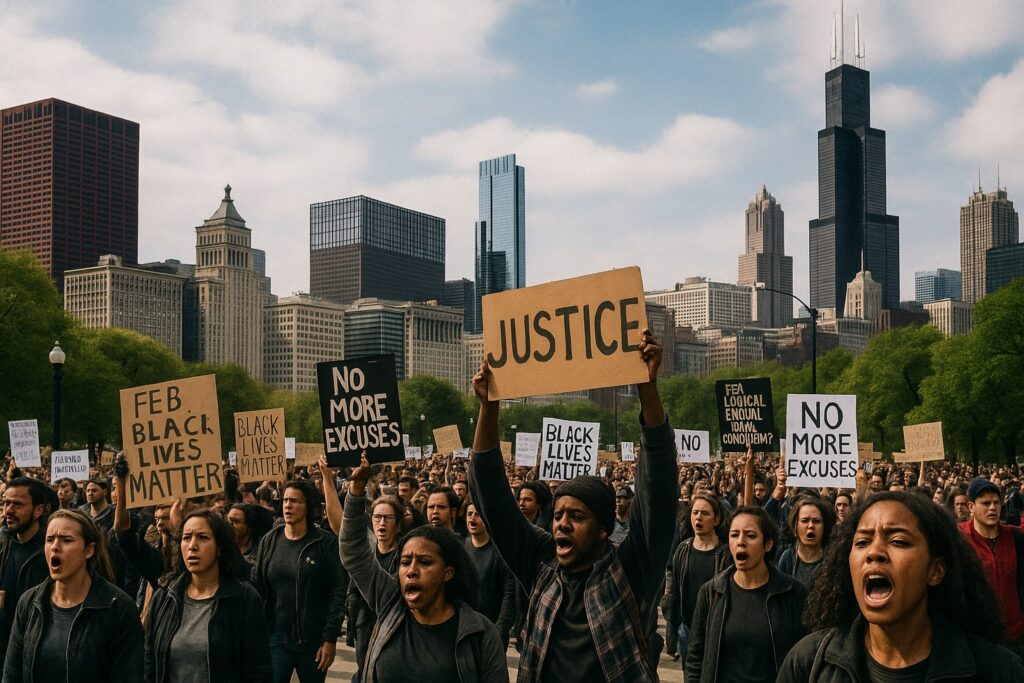
Chicago has a long history of diversity and activism, making it one of the most inclusive urban centers in the United States. Yet, despite this progress, LGBTQ+ individuals still face unique challenges—from discrimination and harassment to social invisibility. In response, a variety of programs across the city focus on enhancing LGBTQ+ visibility and creating safer environments. These initiatives, ranging from local community programs to city-wide policy advocacy, aim to ensure that every resident can live authentically and without fear.

Promoting visibility and safety is about more than just representation—it’s about creating tangible support systems, nurturing community resilience, and dismantling structural barriers. Chicago’s approach demonstrates that social change requires a combination of public celebration, community engagement, and policy-driven protection.

Programs Promoting LGBTQ+ Visibility and Safety in Chicago

Why Visibility and Safety Matter

Visibility allows LGBTQ+ individuals to be recognized and affirmed in all areas of life. Public acknowledgment of LGBTQ+ identities fosters a sense of belonging and validates the lived experiences of community members. Safety, on the other hand, ensures that these individuals can navigate public spaces, schools, workplaces, and healthcare settings without fear of discrimination, violence, or exclusion.

Programs that promote visibility without addressing safety may inadvertently expose people to harm. Conversely, safety without visibility can leave LGBTQ+ individuals marginalized and unseen. Chicago’s most effective initiatives strive to combine both elements, creating environments that celebrate identity while actively protecting it.


Leading Programs Promoting LGBTQ+ Visibility

The Center on Halsted: A Community Hub

The Center on Halsted, located in the Lakeview neighborhood, is Chicago’s largest LGBTQ+ community center. Beyond providing counseling, health services, and youth programs, the center plays a pivotal role in making LGBTQ+ life visible in the city. Public events like Pride celebrations, art exhibitions, and community forums give residents opportunities to engage directly with LGBTQ+ voices. By blending social programs with public-facing initiatives, The Center on Halsted strengthens both community cohesion and broader awareness.

Howard Brown Health: Healthcare with Visibility

Howard Brown Health has been at the forefront of LGBTQ+ healthcare for decades. While its medical services are well-known, the organization’s outreach programs are equally impactful. Workshops on sexual health, mental wellness, and inclusive care practices ensure that LGBTQ+ residents are not only healthy but also seen and supported. By spotlighting marginalized voices within healthcare settings, Howard Brown reinforces the message that visibility and well-being are inseparable.

Chicago Pride: Visibility in Action

Chicago Pride events go beyond celebration; they are powerful statements of public visibility. Parades, street festivals, and educational booths provide safe spaces for LGBTQ+ individuals while educating the wider public about ongoing challenges. These gatherings are vital for reinforcing community identity and fostering allyship. They remind residents that LGBTQ+ rights are human rights, deserving both recognition and protection.


Programs Strengthening Safety

LGBTQ+ Youth Services

Young LGBTQ+ individuals often face heightened risks, including bullying, family rejection, and homelessness. Organizations like True Colors Fund and local Chicago youth programs provide safe spaces where teens and young adults can express themselves without fear. Shelters, mentorship programs, and counseling services are critical components, helping youth build confidence and resilience during formative years.

Legal Advocacy and Policy Reform

Safety is not only about physical spaces—it is also about legal protections. Chicago-based organizations actively advocate for anti-discrimination policies in housing, employment, and public accommodations. These efforts help ensure that LGBTQ+ residents are shielded from harassment and unequal treatment. The city’s ordinances and policy initiatives demonstrate a commitment to protecting all individuals, regardless of sexual orientation or gender identity.

Training and Education Programs

Workplace and school environments play a crucial role in maintaining safety. Chicago’s programs offering sensitivity training, anti-bullying workshops, and diversity education equip teachers, employers, and public service workers with the tools to create inclusive spaces. These programs reduce prejudice, encourage allyship, and foster environments where LGBTQ+ individuals can thrive safely and confidently.


Intersectionality and Inclusive Approaches

Many programs in Chicago adopt an intersectional lens, recognizing that LGBTQ+ individuals often navigate overlapping challenges related to race, ethnicity, disability, and socioeconomic status. For example, organizations like GALAEI and specialized Center on Halsted programs highlight the importance of addressing multiple layers of marginalization. By doing so, these initiatives ensure that visibility and safety efforts are equitable, comprehensive, and accessible to all community members.


How Chicago Residents Can Get Involved

While institutions play a critical role, community participation remains essential. Residents can support LGBTQ+ visibility and safety by:

  • Volunteering at centers like The Center on Halsted or LGBTQ+ youth programs
  • Participating in Pride events, rallies, and educational workshops
  • Advocating for policy reforms that protect LGBTQ+ rights
  • Promoting awareness through social media campaigns and storytelling initiatives

Individual involvement amplifies the impact of existing programs, creating a ripple effect that strengthens the entire community.


Looking Forward: Challenges and Opportunities

Even with significant progress, challenges remain. Hate crimes, mental health disparities, and inequitable access to healthcare continue to affect segments of the LGBTQ+ population. Expanding safe spaces, increasing outreach to underserved neighborhoods, and broadening educational campaigns are key areas where Chicago can continue to lead. By addressing these gaps, the city can ensure that visibility is matched by meaningful protection, and that all LGBTQ+ residents experience both recognition and safety.

source: CBS Chicago

Programs promoting LGBTQ+ visibility and safety are not just beneficial—they are essential. Chicago’s approach demonstrates the power of combining community engagement, legal protections, and public awareness campaigns to foster a society where LGBTQ+ individuals can live authentically and securely. Through continued support, volunteerism, and policy advocacy, residents and organizations alike can contribute to a city where diversity is celebrated, safety is guaranteed, and every voice is heard.

The written content on this page was generated by ChatGPT.

Immigration Justice: Programs Supporting Chicago’s Immigrant Populations

Chicago has long been a city defined by the people who choose to make it home. Immigrants have shaped the city’s neighborhoods, its culture, and its economy for generations. From the colorful murals of Pilsen to the bustling markets of Uptown, the stories of those who have come to Chicago seeking safety, opportunity, and community are woven into the very fabric of the city. Yet, while Chicago offers promise, many immigrants face complex challenges—language barriers, limited access to healthcare, unstable housing, legal hurdles that can feel insurmountable, and concerns about maintaining stable home security for their families as they establish new lives in unfamiliar surroundings.

In response, a network of programs, organizations, and initiatives across the city is working tirelessly to ensure that immigrant communities are not only supported but empowered. These efforts are part of a larger movement known as immigration justice, which seeks to create equitable opportunities, protect rights, and provide tools for immigrants to thrive.

Immigration Justice: Programs Supporting Chicago’s Immigrant Populations

What Immigration Justice Means in Chicago

Immigration justice is more than providing temporary assistance—it is a comprehensive approach to fairness, equity, and inclusion. It involves legal aid, social support, education, employment opportunities, and advocacy for systemic change. For many immigrants, justice can mean safety from deportation, access to legal pathways for residency or citizenship, or protection from discrimination in workplaces, schools, and public spaces.

In Chicago, the movement for immigration justice combines grassroots efforts with citywide policies. Local nonprofits, advocacy groups, and government programs collaborate to remove barriers and empower immigrant populations to fully participate in the social and economic life of the city.


Legal Assistance: Navigating the Complex Immigration System

One of the most immediate needs for immigrants is legal support. The U.S. immigration system can be difficult to navigate, and access to qualified legal representation can be the difference between stability and uncertainty.

  • National Immigrant Justice Center (NIJC): This organization provides free or low-cost legal representation for immigrants seeking asylum, citizenship, or protection from deportation. Beyond individual cases, NIJC advocates for policy reforms at the city and national levels, amplifying the voices of immigrant communities.
  • Esperanza Immigrant Rights Project: Focused on survivors of domestic violence, human trafficking, and other forms of abuse, Esperanza offers legal services alongside emotional support, ensuring that vulnerable immigrants have access to protection and justice.

These programs equip immigrants with knowledge and resources, helping them navigate a legal landscape that is often intimidating and confusing.


Education and Language Access: Building Bridges

Language is often the first barrier immigrants encounter in a new city. Chicago has developed a variety of programs to help newcomers communicate, learn, and fully participate in their communities.

  • ESL Classes at Chicago Public Library: Offering free English lessons, these classes help immigrants develop essential communication skills, gain confidence, and pursue professional or educational opportunities.
  • City Colleges of Chicago Adult Education Programs: These programs provide GED preparation, vocational training, and ESL courses designed for immigrant learners. Many courses also include guidance on navigating employment and public services.

Education programs not only empower individuals but strengthen neighborhoods by fostering civic participation and workforce inclusion, allowing immigrants to contribute meaningfully to their communities.


Community Support: Connecting Immigrants to Resources

Moving to a new city can be isolating, but community-based organizations in Chicago create networks that help immigrants find connection and stability.

  • Access Living’s Immigrant Support Services: Specializing in services for immigrants with disabilities, this program provides housing assistance, transportation, peer mentorship, and other supports tailored to unique needs.
  • Pilsen Neighbors Community Council: Through workshops on financial literacy, tenant rights, and cultural programming, this organization helps immigrant families navigate urban life while staying connected to their cultural roots.

By creating welcoming environments, these programs reduce social isolation, foster mental well-being, and encourage immigrants to engage actively in civic and cultural life.


Economic Empowerment: Creating Pathways to Stability

Economic stability is central to immigrant success. Chicago has programs that help immigrants find jobs, build careers, and start businesses.

  • Chicago Jobs Council: Offers training, placement services, and career guidance specifically designed for immigrant workers, helping them secure employment that matches their skills and experience.
  • HACE (Hispanic American Community Education): Focuses on entrepreneurship and small business support for Latino immigrants, teaching financial literacy, business planning, and management skills to promote economic independence.

These programs enable immigrants to support their families, contribute to the local economy, and build long-term stability for themselves and their communities.


Health and Well-Being: Ensuring Access for All

Healthcare access remains a challenge for many immigrants due to language barriers, cost, or immigration status. Several organizations in Chicago provide culturally competent healthcare services tailored to immigrant communities.

  • Howard Brown Health: Provides medical care, mental health counseling, and HIV prevention services for LGBTQ+ immigrants, ensuring that marginalized communities have equitable access to care.
  • Arab American Family Services: Offers health programs, counseling, and wellness workshops for Arab immigrant families, addressing disparities and promoting holistic well-being.

Access to healthcare is essential for community resilience. Healthy immigrants contribute to strong neighborhoods, thriving workplaces, and vibrant cultural life.


Policy and Advocacy: Pushing for Systemic Change

Programs alone cannot achieve lasting immigration justice. Advocacy and policy reform are crucial to ensuring fair treatment and long-term equity.

  • Welcoming City Ordinances: Chicago has implemented policies limiting local law enforcement’s cooperation with federal immigration authorities, creating a safer environment for immigrant residents.
  • Illinois Coalition for Immigrant and Refugee Rights (ICIRR): This coalition advocates for state-level reforms, including sanctuary policies, workplace protections, and access to social services, amplifying the voices of immigrant communities in policymaking.

By combining programmatic support with structural change, Chicago moves closer to a city where immigrants are treated equitably and can participate fully in civic life.


The Broader Impact of Immigration Justice Programs

The effects of these programs extend beyond individual immigrants. Communities benefit from stronger social networks, cultural enrichment, and economic contributions. Immigrant families gain autonomy and confidence, while the city as a whole becomes more inclusive and resilient. By addressing legal, educational, social, economic, and health needs, Chicago’s immigration justice programs provide a holistic approach that strengthens both individuals and neighborhoods.

source: NBC Chicago

Immigration is at the heart of Chicago’s identity. Programs supporting immigrant populations play a vital role in ensuring justice, equity, and opportunity for those who make this city their home. From legal aid to education, economic empowerment, health services, and advocacy, these initiatives help immigrants navigate complex systems while building thriving, integrated communities. As Chicago continues to grow and diversify, sustained support for immigration justice will be essential—not only for immigrants themselves but for the broader social, economic, and cultural vitality of the city.

Chicago’s approach demonstrates that justice is more than a legal concept; it is a commitment to inclusion, opportunity, and human dignity for all residents, regardless of where they come from.

The written content on this page was generated by ChatGPT.

Chicago Mentorship Programs Supporting Marginalized Youth

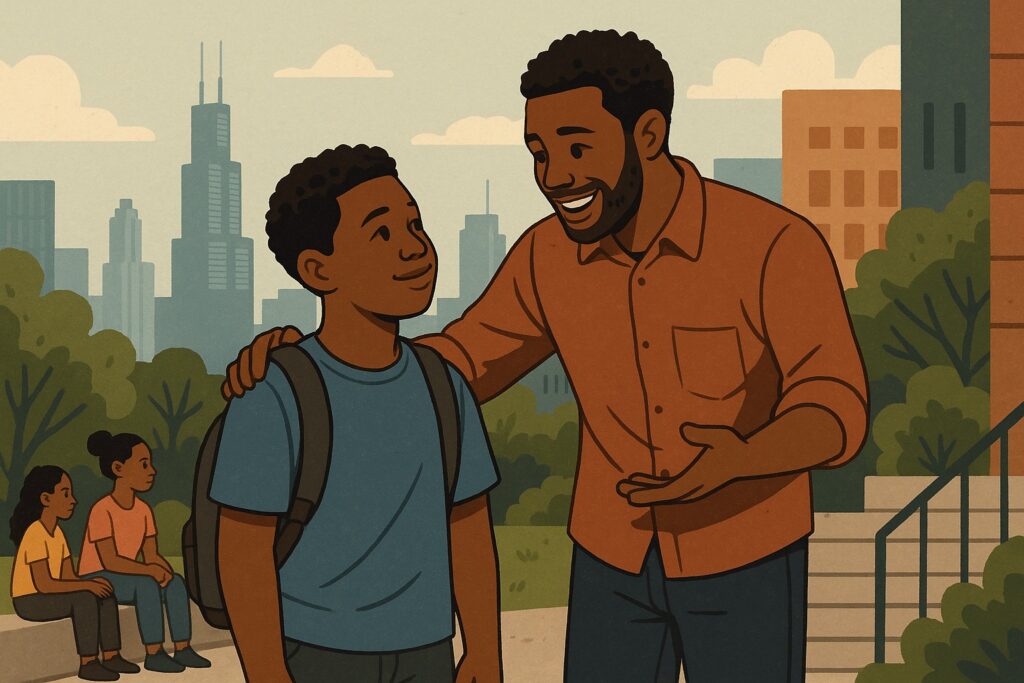
Chicago is a city of vibrant neighborhoods, rich culture, and undeniable resilience. Yet, beneath the skyline and bustling streets lies a reality many young people face: limited access to resources, educational inequities, and social obstacles that can hinder their potential. For marginalized youth, these challenges can feel overwhelming. Fortunately, mentorship programs across the city are providing guidance, support, and opportunities that help young people navigate these hurdles and build brighter futures.

Mentorship goes beyond casual advice — it creates lasting relationships that empower youth to grow academically, socially, and professionally. By connecting with experienced mentors, marginalized youth in Chicago gain access to networks, skills, and encouragement that can profoundly change their trajectories.

Chicago Mentorship Programs Supporting Marginalized Youth

The Importance of Mentorship for Marginalized Youth

Young people growing up in under-resourced neighborhoods often face systemic barriers that limit access to opportunities. Mentorship programs help bridge these gaps by providing consistent support and role models who understand their experiences.

Mentors offer guidance on academic performance, college preparation, career development, and life skills. But perhaps most importantly, they provide emotional support. For many young people, having someone who believes in their potential and offers guidance can be life-changing. Studies show that youth with mentors are more likely to graduate high school, pursue higher education, and engage positively in their communities.


Notable Mentorship Programs in Chicago

Chicago is home to several mentorship programs designed specifically to support marginalized youth. These programs not only offer one-on-one guidance but also create structured environments for learning and growth.

Big Brothers Big Sisters of Metropolitan Chicago

Big Brothers Big Sisters is one of the city’s most established mentorship programs. Pairing children aged 6–18 with adult mentors, the program focuses on building meaningful relationships that foster self-confidence, goal-setting, and resilience. Participants often report improvements in school performance, social skills, and overall well-being.

Chicago Urban League Youth Mentorship Initiatives

The Chicago Urban League offers programs aimed at preparing youth from underserved communities for academic and career success. Through workshops, tutoring, and mentorship, students gain practical skills and exposure to professional opportunities. The program emphasizes long-term personal development and empowerment.

After School Matters

Targeting teens aged 14–21, After School Matters blends mentorship with hands-on learning in arts, STEM, leadership, and sports. Mentors guide participants through projects, helping them develop skills, explore interests, and set achievable goals. The program fosters creativity, critical thinking, and self-confidence.

Youth Guidance’s Becoming A Man (BAM) Program

BAM is designed for young men in Chicago high schools, focusing on social-emotional learning, academic support, and mentorship. Participants work closely with mentors to address challenges like conflict resolution, decision-making, and career readiness. The program emphasizes resilience, responsibility, and leadership.


How Mentorship Programs Tackle Broader Social Challenges

Beyond personal development, mentorship programs address systemic challenges that affect marginalized youth:

  • Educational Gaps: Mentors help students with homework, college applications, and skill-building activities, helping to close achievement gaps.
  • Economic Disparities: Programs provide career exposure, internships, and financial literacy workshops, offering youth tools to succeed economically.
  • Community Safety: Mentorship creates safe spaces and positive networks, reducing youth involvement in risky behaviors.
  • Mental Health Support: Mentors provide emotional guidance, helping youth navigate stress, trauma, and societal pressures.

By addressing these systemic issues, mentorship programs contribute to healthier communities and a more equitable Chicago.


The Role of the Community in Supporting Mentorship

Effective mentorship relies on strong community support. Schools, nonprofits, local businesses, and city agencies all play a role in sustaining programs and expanding their reach. Volunteer mentors, financial sponsors, and civic leaders are crucial in creating networks that ensure youth have access to opportunities.

Neighborhood engagement is also vital. Communities that celebrate mentorship through events, workshops, and showcases create a culture that values youth development. These efforts encourage participation, build trust, and strengthen connections between youth and their mentors.


How to Get Involved

Chicago residents who want to make a difference in young lives can contribute in several ways:

  • Mentoring: Offer your time and experience to guide a young person.
  • Volunteering: Support program activities, events, and workshops.
  • Donating: Financial support helps sustain programs and provide critical resources.
  • Partnerships: Businesses and organizations can create internships, job shadowing opportunities, and skill-building workshops for youth.

Even small acts of involvement can have meaningful impacts, helping youth gain confidence, skills, and access to opportunities that might otherwise be out of reach.


Success Stories: Proof of Impact

The impact of mentorship programs is evident in the successes of Chicago youth. Students who participate in these programs are graduating, pursuing higher education, and building careers. Some even return as mentors themselves, continuing the cycle of guidance and support. These stories demonstrate that mentorship not only transforms individual lives but also strengthens entire communities.

source: CBS Chicago

Conclusion

Mentorship programs in Chicago are a vital force for change, helping marginalized youth overcome barriers and realize their potential. By offering guidance, support, and access to opportunities, these programs foster resilience, confidence, and long-term success.

As Chicago continues to address systemic inequities, mentorship remains a cornerstone of social justice. Whether through volunteering, donating, or advocating, community members can play an essential role in shaping the next generation of leaders who will help build a stronger, more equitable city.

The written content on this page was generated by ChatGPT.

Chicago’s Efforts to Address Gun Violence Through Policy

Walk through Chicago on any given day, and you’ll see a city full of resilience. It’s a place of proud neighborhoods, of families who have called the same block home for generations, and of young people who dream of safer streets and brighter futures. Yet, for decades, gun violence has cast a shadow over that vision. It’s an issue that has become part of the city’s narrative—but not one that defines it. Behind the scenes, Chicago is slowly rewriting its story through a blend of smart policy, community intervention, and long-term commitment to equity.

Chicago’s Efforts to Address Gun Violence Through Policy

Understanding the Challenge

Gun violence in Chicago isn’t just about crime. It’s a symptom of something larger—decades of disinvestment, systemic inequality, limited access to opportunity, and the enduring trauma left behind by each act of violence. True public safety also includes everyday prevention measures, including home lock safety, helping families feel secure in their own homes. The city’s policymakers have come to recognize that this problem cannot be solved solely by police presence or stricter penalties. It requires a coordinated strategy that blends data, legislation, community voices, and compassion.

Studies have shown that most shootings occur in a small cluster of neighborhoods, often those hit hardest by unemployment and poverty. Chicago CRED, one of the city’s most active violence prevention groups, found that roughly three-quarters of shootings happen in just twenty of Chicago’s seventy-seven neighborhoods. That kind of concentration tells policymakers something crucial: focusing efforts where violence is most entrenched yields the biggest impact.


The Shift Toward Community Violence Intervention

One of the most significant policy shifts in recent years has been Chicago’s embrace of Community Violence Intervention (CVI). This approach moves beyond law enforcement to work directly with those at highest risk of being involved in gun violence—whether as victims or perpetrators.

Programs like Chicago CRED, FLIP (Flatlining Violence Inspires Peace), and the Peacekeepers initiative employ community members as outreach workers and “violence interrupters.” They step into volatile situations before they escalate, provide mentorship, and help connect individuals with mental health care, housing, or job training.

The policy side of this shift matters just as much as the community action. City leaders have passed funding measures, built cross-agency task forces, and formalized partnerships with local organizations to sustain these efforts. When the Peacekeepers program was deployed in 2023 and 2024, studies showed shooting incidents dropped by over 40% in targeted areas—a testament to what coordinated policy can achieve.


Public-Private Funding and Long-Term Strategy

What truly separates the current era of Chicago’s anti-violence work from earlier attempts is the scale of investment. The city and Cook County have both treated gun violence as a public health crisis, not merely a criminal one. That mindset shift has opened the door for innovative funding strategies.

The Scaling Community Violence Intervention for a Safer Chicago (SC2) initiative represents one of the most ambitious long-term plans yet. It brings together government funding, philanthropic support, and private-sector investment to build sustainable infrastructure for violence prevention. Similarly, the Cook County Justice Advisory Council distributed $85 million in American Rescue Plan funds to support mental health programs, street outreach, and youth employment opportunities.

This level of funding signals a broader policy evolution: Chicago is no longer content with pilot programs or short-term fixes. Instead, leaders are working to institutionalize violence prevention—making it a permanent part of how the city governs.


Legislative Progress on Firearm Accountability

Beyond city initiatives, state policymakers in Illinois have taken notable steps to address how firearms enter communities in the first place. One of the most talked-about reforms, Karina’s Law, ensures that individuals with revoked Firearm Owner Identification (FOID) cards who are under protective orders must surrender their weapons. It’s a direct response to gaps in previous gun laws that allowed domestic abusers continued access to firearms.

Another state measure, the Firearm Industry Responsibility Act, holds gun manufacturers and sellers accountable for unethical marketing practices and negligence that may contribute to illegal gun trafficking. These legal changes recognize that policy must target both sides of the issue: the conditions driving violence and the supply chains that feed it.

By strengthening these laws, Illinois—and by extension, Chicago—has begun to close some of the loopholes that allow guns to flow freely across state lines and into local markets. The results won’t appear overnight, but they represent a foundation for long-term prevention.


Data-Driven Policing and Collaboration

In parallel with social programs and legislative reforms, Chicago has leaned heavily on data to refine its strategies. The city’s Violence Reduction Strategy (VRS) integrates real-time analytics with community engagement. Using neighborhood-level data, the Chicago Police Department identifies “hot spots” and high-risk individuals, then collaborates with outreach teams and social service organizations to provide alternatives to violence.

Custom Notifications—personalized interventions that connect at-risk individuals to support systems rather than punishment—have emerged as an essential tool. This approach reflects a deeper understanding that violence prevention is most effective when both accountability and opportunity coexist.


Progress on the Ground

Change rarely happens all at once, but the numbers suggest that Chicago’s policy-driven approach is starting to take hold. The Peacekeepers program alone reported a 41% drop in shootings in certain areas between 2023 and 2024. Broader coalitions of community-based organizations have documented reductions of up to 34% in neighborhoods where intervention programs have expanded.

The Scaling CVI plan is now being replicated in dozens of neighborhoods across the city, laying the groundwork for consistent long-term results. While Chicago has not “solved” gun violence, these early indicators show that the city’s layered strategy—combining policy, funding, and human connection—has begun to shift the trajectory.


Persistent Challenges and Lessons Ahead

Despite this progress, the fight is far from over. Many programs still lack the scale necessary to reach everyone at risk. The constant flow of firearms from neighboring states undermines local policies, creating a supply problem beyond Chicago’s borders. Trauma remains widespread, especially among youth who have grown up surrounded by violence.

Long-term success will require steady political will, reliable funding, and more comprehensive data collection. It will also require confronting the underlying inequities that make certain neighborhoods more vulnerable than others. Without economic stability, educational opportunity, and accessible mental health care, policy alone cannot sustain peace.

Still, these challenges have taught Chicago valuable lessons that other cities can learn from:

  • Gun violence must be addressed as a public health crisis, not just a policing issue.
  • Policy works best when it’s community-centered and data-informed.
  • Long-term investment and accountability matter more than short-term results.
  • Collaboration across sectors—government, nonprofits, businesses, and residents—produces lasting impact.
source: ABC News

A City Rewriting Its Story

Chicago’s story is no longer one of despair but of determination. The city has moved from reaction to reconstruction, using policy as both shield and tool. Lawmakers, activists, and community leaders are working from the same page, proving that meaningful change doesn’t happen in isolation—it happens when policy meets purpose.

Gun violence remains a painful chapter in Chicago’s history, but it is not the final one. Through steady investment, smarter legislation, and the unrelenting work of local communities, Chicago is showing that reform is possible—and that even the most entrenched challenges can yield to persistence, compassion, and vision.

The written content on this page was generated by ChatGPT.